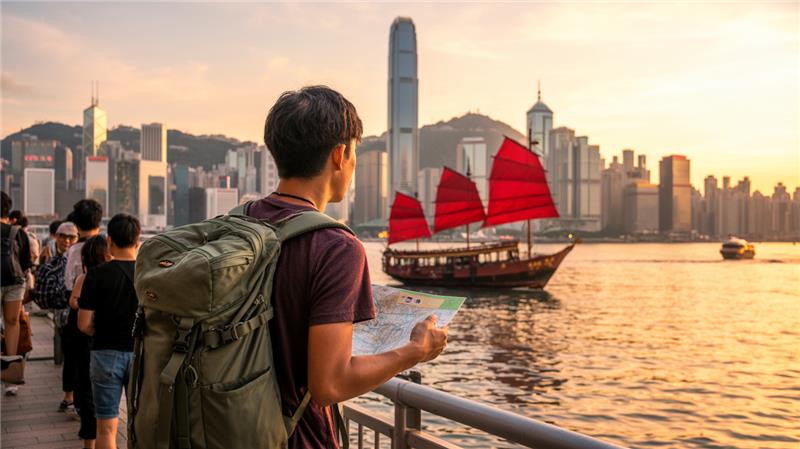
Smart booking decisions can significantly lower your total Hong Kong travel budget in PHP. Because accommodation is one of the largest expenses after airfare, even small adjustments in strategy can save several thousand pesos.
To avoid unnecessary costs and maximize flexibility, consider the following practical tips:
1. Choose Free Cancellation Options
When booking your hotel in Hong Kong, prioritize properties that offer free cancellation up to a specific date.
This gives you flexibility if:
Flight prices drop and you need to adjust dates
Travel plans shift due to schedule changes
Better accommodation deals become available
For short-haul destinations like Hong Kong, airfare promotions can quickly influence hotel demand. Free cancellation options protect you from being locked into higher rates too early.
2. Monitor Major Trade Fair Dates
Hong Kong hosts numerous international trade exhibitions and conventions throughout the year. During these periods, hotel prices can surge—even outside traditional holiday seasons.
Business travel demand can:
Push room rates up sharply
Reduce availability in key districts
Limit budget-friendly options
Before finalizing your stay, check the city’s major event calendar. Avoiding large-scale exhibition weeks can significantly reduce your accommodation costs.
3. Check Room Size Before Booking
Hotel rooms in Hong Kong are generally smaller than typical Philippine hotel rooms. To set realistic expectations:
Review the exact room size in square meters
Examine recent guest photos
Confirm bed configurations
Check if luggage storage space is sufficient
Understanding room dimensions in advance prevents disappointment and ensures the space fits your travel needs—especially for families or groups.
4. Factor in Transportation Costs
Sometimes, paying a slightly higher nightly rate near an MTR station can lower your overall trip expenses.
Staying close to major train lines helps:
Hong Kong’s rail and bus network is highly efficient, but staying far from major lines may increase transportation spending and limit flexibility.
To better understand route planning, fare systems, and how to maximize the Octopus card, you can refer to our Hong Kong public transport guide for Filipino travelers, which explains how to navigate the MTR, buses, ferries, and airport transfers efficiently.
Final Takeaway
Choosing the right district and accommodation type can lower your total Hong Kong trip cost by several thousand pesos. Careful planning allows you to balance location, comfort, and price—without compromising your overall experience.
In a city known for high property costs, smart booking strategy is one of the most effective ways to make Hong Kong affordable for Filipino travelers.
Budget-Friendly Things to Do in Hong Kong
One of the biggest advantages of visiting Hong Kong is the variety of experiences available at little to no cost. Whether you’re planning a 4D3N Hong Kong itinerary on a budget or simply want to balance premium attractions with free sightseeing, the city makes it possible.
With smart planning, you can combine iconic skyline views, cultural landmarks, and scenic green spaces—without stretching your travel budget.
1. Free Attractions
These attractions allow you to experience Hong Kong’s skyline, culture, and green spaces without paying entrance fees.
Attraction
| Why Visit
| Nearby MTR Station
| Tip
|
|---|
Victoria Peak Hiking Trail
| Panoramic skyline views without paying for the Peak Tram
| Central Station (Island Line, Tsuen Wan Line) + Peak Trail access
| Visit early morning or near sunset for clearer views
|
Tsim Sha Tsui Promenade
| Harbour views and skyline photo spots
| Tsim Sha Tsui Station (Tsuen Wan Line) or
East Tsim Sha Tsui Station (Tuen Ma Line)
| Combine with Avenue of Stars visit
|
Symphony of Lights
| Nightly light and sound show at Victoria Harbour
| Tsim Sha Tsui Station or Central Station
| Arrive 15–20 minutes early for better viewing spots
|
Hong Kong Park
| Urban green space with gardens and conservatory
| Admiralty Station
(Island Line, Tsuen Wan Line)
| Ideal for a mid-day rest between sightseeing
|
Avenue of Stars
| Waterfront walk honoring Hong Kong cinema
| East Tsim Sha Tsui Station (Tuen Ma Line)
| Best visited before or after sunset
|
Disclaimer: Information in this table is for general reference only. Event schedules and access hours may change without prior notice. Always verify official operating times before visiting.
These free attractions can easily fill one to two days of your itinerary while keeping your Hong Kong trip cost in PHP under control.
2. Affordable Paid Experiences
These attractions require tickets but can still fit within a budget if planned strategically.
Experience
| Average Price Range (PHP)
| Nearby MTR Station
| Savings Tip
|
|---|
Star Ferry
(Tsim Sha Tsui–Central)
| ₱20–₱40
per ride
| Tsim Sha Tsui Station (Tsuen Wan Line) or Central Station
(Island Line, Tsuen Wan Line)
| Use an Octopus card for convenience and quicker boarding
|
Ngong Ping Cable Car (Off-Peak)
| ₱900–₱1,500
| Tung Chung Station (Tung Chung Line)
| Book weekday or off-peak time slots for lower fares
|
Theme Parks
| ₱3,000–₱4,500
| Sunny Bay Station (for Disneyland, Disneyland Resort Line) or
Ocean Park Station (South Island Line)
| Check bundle promos, weekday tickets, and advance booking discounts
|
Disclaimer: Information in this table is for general reference only. Ticket prices vary by season, demand, exchange rates, and promotional offers. Always confirm current pricing before purchase.
The key is balancing one or two premium attractions with multiple free activities to keep your total Hong Kong travel budget manageable.
For example:
Combine a paid Ngong Ping Cable Car experience with free exploration of Lantau Island.
Pair a theme park day with free harbour walks and skyline views on another day.
Use the Star Ferry as both transport and sightseeing.
3. Markets Worth Visiting
Exploring local markets is one of the best ways to experience Hong Kong beyond its skyline and shopping malls. For Filipino travelers planning a budget trip to Hong Kong, these markets offer both affordable shopping and an authentic cultural atmosphere.
From bargain souvenirs to street food and local crafts, Hong Kong’s markets allow you to shop strategically without overspending.
Market
| What to Buy
| Average Price Range
| Nearby MTR Station
|
|---|
Ladies’ Market (Mong Kok)
| Souvenirs, clothes, accessories, small gadgets
| ₱100–₱1,000
depending on item
| Mong Kok Station (Tsuen Wan Line, Kwun Tong Line) or
Mong Kok East Station (East Rail Line)
|
Temple Street Night Market
| Street food, trinkets, local crafts
| ₱50–₱800
| Jordan Station
(Tsuen Wan Line)
|
Disclaimer: Information in this table is for general reference only. Prices depend on product quality, vendor pricing, and exchange rate fluctuations.
These markets are also conveniently located near major MTR stations, making them easy to include in a 3- to 4-day Hong Kong itinerary without adding extra transport costs.
Practical Budget Advice
To maintain control over your total Hong Kong travel budget in PHP, consider these practical strategies:
Combine free attractions with one paid experience per day to balance spending.
Allocate more budget to experiences that matter most to you, whether that’s food, theme parks, or scenic views.
Use public transport efficiently to avoid expensive ride-hailing costs.
Keep small bills (HKD 10, 20, 50 notes) when shopping in markets to simplify bargaining and small purchases.
Markets also provide flexibility—you can browse without pressure to buy and set your own spending limit.
By mixing free cultural sights, affordable market visits, and selective paid attractions, you can experience Hong Kong fully while keeping your overall trip cost manageable.
How to Eat Well in Hong Kong Without Overspending
Food is one of the biggest highlights of any Hong Kong trip from the Philippines. From roast meats and dim sum to egg waffles and milk tea, the city is widely recognized as a culinary capital of Asia.
However, dining expenses can quickly add up if you rely only on tourist-heavy restaurants or international chains in premium districts.
The good news? Authentic local meals in Hong Kong remain affordable—if you know where to go and what to order.
Below is a structured guide to budget-friendly food options in Hong Kong, including typical price ranges in Hong Kong dollars (HKD) and nearby MTR access for easier itinerary planning.
1. Best Budget Eats
Food Option
| Recommended Shops
| Typical Cost Range (HKD)
| Nearby MTR Areas
|
|---|
Cha Chaan Tengs
| Australia Dairy Company (Jordan), Mido Café (Yau Ma Tei), Capital Café (Wan Chai)
| HKD 40–70
per meal
| Jordan, Yau Ma Tei, Wan Chai
|
Roast Meat Shops
| Joy Hing Roasted Meat (Wan Chai), Yat Lok (Central), Sun Kwai Heung BBQ (Sham Shui Po)
| HKD 50–80
per plate
| Wan Chai, Central, Sham Shui Po
|
Food Courts
| IFC Mall Food Court (Central), Harbour City Food Court (Tsim Sha Tsui), Hysan Place Food Court (Causeway Bay)
| HKD 45–90
per meal
| Central, Tsim Sha Tsui, Causeway Bay
|
Disclaimer: Information in this table is for general reference only. Prices, menu availability, and operating hours may change depending on demand and season. Always verify current details directly with the establishment before visiting.
Cha chaan tengs (local cafés) are especially budget-friendly for breakfast and lunch sets, often including a main dish and drink at a fixed price.
Food courts inside major malls also provide diverse options at mid-range prices—ideal if you’re traveling with family or a group with different preferences.
2. Must-Try Cheap Local Dishes
Dish
| Recommended Shops / Stalls
| Typical Cost Range (HKD)
| Nearby MTR Areas
|
|---|
Egg Waffles (Gai Daan Jai)
| Mammy Pancake (Mong Kok, Tsim Sha Tsui), Lee Keung Kee North Point Egg Waffles
| HKD 20–35
| Mong Kok, Tsim Sha Tsui, North Point
|
Fish Balls
| Curry Fish Balls stalls at Temple Street Night Market, Kwan Kee Store (Sham Shui Po)
| HKD 15–30
| Jordan, Sham Shui Po
|
Pineapple Bun (Bo Lo Bao)
| Kam Wah Café (Mong Kok), Honolulu Coffee Shop (Wan Chai)
| HKD 10–20
| Mong Kok, Wan Chai
|
Hong Kong
Milk Tea
| Lan Fong Yuen (Central), Australia Dairy Company (Jordan), Capital Café (Wan Chai)
| HKD 15–30
| Central, Jordan, Wan Chai
|
Disclaimer: Information in this table is for general reference only. Prices fluctuate depending on vendor, district, and exchange rates.
These items allow you to sample iconic Hong Kong flavors without committing to a full restaurant meal—perfect for snack breaks between sightseeing stops.
Practical Tips to Keep Food Costs Down
Food is one of the highlights of any Hong Kong trip, but smart choices can help you enjoy the city’s culinary scene without stretching your budget.
If you're planning a budget Hong Kong itinerary, these simple strategies can significantly reduce your daily food expenses:
Eat where locals eat, especially in Kowloon districts.
Look for neighborhood eateries in Kowloon districts such as Mong Kok, Jordan, Sham Shui Po, and Yau Ma Tei. Restaurants filled with locals—especially during lunch hours—often offer better value and more authentic flavors.
Avoid dining immediately beside major tourist attractions.
Restaurants located directly next to theme parks, peak viewing decks, and popular sightseeing spots typically charge higher prices. Walking just a few streets away can lead to noticeably lower meal costs.
Opt for set meals instead of ordering individual items.
Many cha chaan tengs and casual restaurants offer fixed-price breakfast or lunch sets that include a main dish and drink. These bundled meals often cost less than ordering items separately and help control spending.
Carry small bills for faster transactions at street stalls.
Street stalls and local snack shops may not always accept large bills or cards. Keeping smaller HKD notes (HKD 10, 20, 50) makes transactions smoother and avoids unnecessary delays.
How Much Should You Budget for Food?
With a daily food budget of around HKD 120–200, many Filipino travelers can comfortably enjoy a mix of:
Local breakfast sets
Roast meat rice meals
Street snacks
Milk tea or coffee
Careful food planning allows you to experience Hong Kong’s diverse culinary culture while keeping your overall Hong Kong travel budget in PHP under control.
In short, eating well in Hong Kong doesn’t require a luxury budget—just practical decisions and a willingness to explore beyond tourist-heavy areas.
How to Save on Transportation in Hong Kong
Transportation in Hong Kong is efficient, reliable, and relatively affordable compared to many other major cities, making it easy for Filipino travelers to move around without renting a car. The MTR, buses, ferries, and trams connect key districts and attractions seamlessly, but daily expenses can still add up if you rely on single-journey tickets, airport premium services, or taxis without proper planning. Understanding how transport zones work, choosing the right payment method (such as stored-value cards), and mapping routes in advance can help you control daily commuting costs and keep your overall Hong Kong travel budget in PHP manageable throughout your trip.
1. Octopus Card
If you’re planning a budget trip to Hong Kong, one of the smartest tools you can use is the Octopus Card.
The Octopus Card is a reloadable stored-value card widely accepted across Hong Kong’s public transport system. It can be used on the MTR (Mass Transit Railway), buses, trams, ferries, and even at selected convenience stores, fast-food outlets, and supermarkets.
For short-term visitors, especially those on a 3- to 4-day Hong Kong itinerary, the Octopus Card offers significant convenience and efficiency.
Why it matters for budget travelers:
While the per-ride savings compared to single-journey tickets may be modest, the overall value comes from convenience, time savings, and cost control.
Using an Octopus Card allows you to:
Tap in and out quickly at MTR gates
Avoid queuing at ticket machines for every ride
Transfer seamlessly between trains, buses, and ferries
Monitor and manage transport spending more easily
Pay exact fares without worrying about coins
The card is also refundable (including the remaining balance and deposit, subject to conditions), making it practical for short-term tourists.
How It Helps You Stay on Budget
Small inefficiencies can add up during a short trip. Without a stored-value card, travelers may:
Purchase the wrong ticket type
Make route errors due to unfamiliar machines
Spend extra time navigating ticket systems
Opt for taxis out of convenience
The Octopus Card simplifies movement across the city, reducing friction and helping you avoid unnecessary transport upgrades or ride-hailing costs.
For Filipino travelers managing a Hong Kong travel budget in PHP, this level of predictability makes daily transport expenses easier to estimate and control.
In short, while the direct savings per ride may be minimal, the time saved, convenience gained, and reduced risk of overspending make the Octopus Card one of the most practical budget tools for visiting Hong Kong.
2. Airport Express vs Airport Bus
After landing in Hong Kong, one of the first decisions that affects your Hong Kong travel budget is how you get from the airport to the city.
Travelers typically choose between speed and savings. The Airport Express offers the fastest and most comfortable transfer, while public buses provide substantial cost savings for budget-conscious visitors.
If you’re planning a budget trip to Hong Kong from the Philippines, understanding the trade-offs can help you allocate funds more efficiently.
Transport Type
| Approx Cost
| Best For
| Notes
|
|---|
Airport Express
| Approximately
HKD 100–115
| Travelers prioritizing speed and luggage space
| Reaches Central in about 24 minutes
|
Airport Bus (Cityflyer A routes)
| Approximately
HKD 40–50
| Budget travelers with flexible time
| Takes 45–70 minutes depending on district
|
MTR (via Tung Chung Line transfer)
| Approximately
HKD 60–80 (combined fares)
| Travelers comfortable with transfers
| May require line changes depending on destination
|
Disclaimer: Information in this table is for general reference only. Fares and travel times may vary depending on route, exchange rates, and operational updates. Always verify current schedules before departure.
How to Choose the Best Option for Your Budget
If you value speed and convenience—especially after a long flight—the Airport Express is efficient and comfortable. It offers:
Dedicated luggage space
Fewer stops
Direct access to Central
However, for Filipino travelers focused on managing their Hong Kong trip cost in PHP, the airport bus provides significant savings.
Cityflyer “A” routes are:
Air-conditioned
Equipped with luggage racks
Direct to major districts like Tsim Sha Tsui, Mong Kok, and Causeway Bay
Budget strategy: Choosing the airport bus instead of the Airport Express can save approximately HKD 50–70 per trip. For a roundtrip airport transfer, that’s a potential savings of HKD 100–140 per person.
For families or groups, this difference becomes even more substantial, freeing up budget for food, attractions, or shopping.
In short, if your schedule allows a slightly longer transfer time, the airport bus is one of the simplest ways to reduce your overall Hong Kong transportation costs without sacrificing reliability.
3. Daily Transport Budget Estimate
If you’re planning a 4-day Hong Kong itinerary focused mainly on Kowloon and Hong Kong Island, transportation costs are generally predictable and manageable.
Hong Kong’s MTR system is distance-based, meaning fares vary depending on how far you travel. For most short city rides:
Average MTR ride: HKD 5–15
Estimated daily transport budget: HKD 40–70
Estimated 4-day total: HKD 160–280
This estimate assumes moderate sightseeing with multiple daily trips between districts such as Tsim Sha Tsui, Mong Kok, Central, Admiralty, and Causeway Bay.
4. Walking Strategy: The Hidden Cost Saver
One of the most overlooked ways to reduce your Hong Kong travel budget is simple: walk strategically.
Hong Kong is surprisingly compact and highly pedestrian-friendly, especially in districts like Tsim Sha Tsui, Central, and Mong Kok. Many attractions, shopping streets, markets, and waterfront promenades are located within walking distance of one another.
For travelers on a 3- to 4-day Hong Kong itinerary, organizing your sightseeing by area can significantly reduce unnecessary MTR rides and cross-harbour trips.
Practical walking tips:
Plan sightseeing by district to minimize backtracking and repeated train fares.
Use Central’s overhead walkway network to move efficiently between buildings while avoiding traffic lights and road crossings.
Combine waterfront attractions like the Tsim Sha Tsui Promenade, Avenue of Stars, and nearby malls into one itinerary block.
Explore markets and local streets on foot instead of hopping between short train stops.
Walking also offers something transport cannot—street-level discovery. You’ll encounter:
Why Walking Helps Your Budget
Reducing even two short MTR rides per day can lower your daily transport spending. Over a 4-day trip, those small savings add up.
More importantly, strategic walking improves time efficiency. Instead of navigating ticket machines and transfers, you maximize your sightseeing hours.
For Filipino travelers planning a budget trip to Hong Kong, walking isn’t just exercise—it’s a practical cost-control strategy that enhances the overall experience.
In short, sometimes the best way to save money in Hong Kong is simply to slow down and explore on foot.
Transportation Planning Summary
Efficient transport is one of the reasons Hong Kong remains a practical destination for Filipino travelers. With proper planning, daily commuting costs can stay predictable and affordable, even in a major international city.
Below is a quick overview of common transport options and when to use them.
Transport Type
| Approx Cost
| Best For
|
|---|
MTR
(Urban Routes)
| From approximately HKD 5, distance-based
| Daily city travel
|
Public Bus
| From approximately HKD 4, distance-based
| Short neighborhood routes
|
Star Ferry
| From approximately
HKD 3–5
| Harbour crossing
|
Taxi
| From approximately
HKD 27 initial flag-down
| Late-night or group travel
|
Disclaimer: Information in this table is for general reference only. Fares and operating conditions may change based on policy updates and demand. Always verify current transport information before travel.
How to Keep Transportation Costs Manageable
For a typical 4-day Hong Kong itinerary, allocating around HKD 40–70 per day for transport is generally sufficient if you:
Use the MTR for major routes
Walk within districts
Choose cost-efficient airport transfers
Avoid unnecessary taxi rides
The MTR and bus systems cover most tourist areas efficiently, while the Star Ferry offers an affordable and scenic harbour crossing alternative to cross-harbour trains.
Using an Octopus Card further simplifies payments and reduces the risk of overpaying for single-journey tickets.
Practical Takeaway for Filipino Travelers
Transportation in Hong Kong is one of the most controllable parts of your Hong Kong travel budget in PHP. With strategic route planning and disciplined use of public transport, most travelers can keep commuting expenses predictable while maximizing sightseeing time.
In short, smart transport decisions help ensure your money goes toward experiences—not unnecessary transfers.
Common Budget Travel Mistakes Filipinos Make in Hong Kong
Even with a detailed itinerary and cost breakdown, a Hong Kong trip from the Philippines can exceed budget due to small, but avoidable, mistakes.
Because Hong Kong is a major international city, minor planning gaps can quickly translate into higher expenses. The good news is that most budget overruns come from preventable decisions.
Below is a simplified overview of common pitfalls, and smarter alternatives to help keep your Hong Kong travel budget in PHP under control.
Common Mistake
| Why It Increases Costs
| Smarter Approach
|
|---|
Exchanging too much money at the airport
| Airport rates are often less competitive
| Exchange a small amount first, then compare city rates or use widely accepted cards
|
Overloading theme park days
| Tickets, food, and merchandise quickly inflate daily spending
| Limit to one major paid attraction and balance with free activities
|
Skipping travel insurance
| Medical issues or delays can cost far more than the premium
| Allocate a small portion of your budget for essential coverage
|
Booking too late during peak season
| Limited availability and higher hotel and airfare rates
| Book 2–3 months in advance, especially for holidays and trade fair periods
|
Underestimating accommodation costs
| Hong Kong rooms are smaller and often more expensive than PH equivalents
| Research room size, district pricing, and proximity to MTR stations before booking
|
Disclaimer: Information in this table is for general reference only. Actual costs and conditions vary depending on season, provider, and travel dates.
Why These Mistakes Matter
Many of these errors seem minor at first:
A slightly higher exchange rate
One extra theme park add-on
A last-minute hotel booking
But combined, they can push your total Hong Kong trip to cost thousands of pesos above your original estimate.
For Filipino travelers, the key is proactive planning. Small strategic decisions—like timing your bookings, balancing paid and free attractions, and setting daily spending limits—make a measurable difference.
Why Travel Insurance Still Matters Even on a Budget
Budget travel does not mean cutting protection. Even on a short 3- to 4-day trip to Hong Kong, you are investing in airfare, accommodation, attraction tickets, and daily expenses—often totaling thousands of pesos. Travel insurance helps safeguard that financial commitment against covered disruptions such as flight delays, medical emergencies, or trip cancellations that could otherwise result in unexpected out-of-pocket costs. Oona’s Hong Kong Travel Insurance plans are designed for short-haul Asian travel, offering coverage aligned with the most common risks faced by Filipino travelers while remaining affordable within a practical travel budget.
Key Travel Risks and Why Coverage Matters
Even with careful budgeting, unexpected events can affect your Hong Kong trip from the Philippines. While no traveler anticipates disruptions, understanding potential risks helps you plan more responsibly, especially when you’ve already invested in flights, hotels, and prepaid activities.
Below is a simplified overview of common travel risks and why having travel insurance coverage can matter for budget-conscious travelers.
Risk Area
| What Could Happen
| Why This Matters for Budget Travelers
| How Travel Insurance Helps
|
|---|
Medical Costs Abroad
| Accidental injuries, sudden illnesses, or medically necessary emergency evacuation
| Medical treatment in private facilities can be expensive and may require upfront payment
| Covers eligible emergency medical expenses and related costs, subject to policy terms
|
Flight Delays and Schedule Disruptions
| Extended waiting time, missed connections, rebooking expenses
| Additional meals, transport, or short-term accommodation may increase out-of-pocket spending
| Provides reimbursement for covered delay-related expenses once policy conditions are met
|
Lost or Delayed Luggage
| Checked baggage delayed, lost, or damaged
| Replacement of essential items can strain your daily budget
| Offers coverage for eligible baggage loss, delay, or damage, subject to limits
|
Disclaimer: Information in this table is for general reference only. Coverage benefits, limits, exclusions, and eligibility requirements vary depending on the selected plan and policy wording. Always review the full policy terms before purchasing.
Why This Matters for Budget Travelers
When planning a budget Hong Kong itinerary, most travelers focus on airfare, accommodation, food, and attractions. However, responsible budgeting also means preparing for potential disruptions—not just planned expenses.
Allocating a small portion of your total Hong Kong travel budget in PHP to travel insurance helps protect the much larger amount you’ve already spent. In short, smart financial planning includes both cost control and risk management.
How to Choose Cost-Effective Travel Insurance for Hong Kong
Choosing the right travel insurance for your Hong Kong trip is not about buying the most expensive plan—it’s about matching your coverage to your itinerary.
For short-haul trips from the Philippines, the goal is simple: secure essential protection without paying for add-ons you don’t need. A well-matched plan keeps your premium affordable while still protecting your overall travel investment.
When comparing plans, focus on coverage that addresses the most common travel risks.
What to Prioritize
Emergency medical coverage
Medical treatment abroad can be costly, especially in private facilities. Ensure the medical limit is sufficient for short-term international travel.
Trip cancellation or interruption benefits
Useful if illness or emergencies affect your departure or require cutting your trip short.
Travel delay coverage
Provides support for covered expenses if flights are significantly delayed.
Baggage and personal belongings protection
Helps cover eligible losses if luggage is delayed, lost, or damaged.
Personal accident benefit
Adds financial protection for unforeseen serious incidents.
Avoid Paying for Unnecessary Add-Ons
If your Hong Kong itinerary does not include high-risk activities—such as extreme sports—you may not need:
Adventure sports extensions
High-limit riders unrelated to short city travel
Specialty coverage not aligned with your trip plans
Selecting only the benefits relevant to your itinerary helps keep your Hong Kong travel insurance premium within a practical range.
Comparing Plan Types
When choosing travel insurance for your Hong Kong trip, it helps to understand the difference between a basic plan and a more comprehensive plan. The goal is not to automatically choose the higher-priced option, but to select coverage that matches your travel needs and budget.
For short-haul destinations like Hong Kong, many Filipino travelers weigh affordability against broader protection. Below is a simplified comparison to guide your decision.
Feature
| Basic Plan
| Comprehensive Plan
| Why It Matters
|
|---|
Emergency Medical
| Standard coverage limit
| Higher coverage limit
| Covers treatment costs abroad
|
Trip Cancellation
| Limited covered reasons
| Broader covered reasons
| Protects prepaid, non-refundable bookings
|
Travel Delay
| Fixed benefit after qualifying hours
| Higher limit and extended coverage
| Offsets extra expenses during delays
|
Baggage Protection
| Standard limit
| Higher limit
| Helps replace lost or damaged items
|
Personal Accident
| Included
| Higher benefit amount
| Provides additional financial protection
|
Disclaimer: Information in this table is for general reference only. Features, timelines, and processes may vary per insurer and policy type. Always verify directly with your provider.
How to Decide Which Plan Fits Your Trip
For a typical 3- to 4-day Hong Kong itinerary:
A basic plan may be sufficient for city sightseeing and short stays.
A comprehensive plan may be more suitable if you have higher prepaid expenses, connecting flights, or prefer broader protection limits.
The right choice depends on your trip cost, itinerary complexity, and personal risk tolerance.
Why It’s Still a Practical Budget Item
For most Filipino travelers, travel insurance represents only a small percentage of the total Hong Kong travel budget in PHP. However, it plays an important role in protecting the much larger financial investment already committed to airfare, accommodation, and activities.
In short, choosing between plan types isn’t about spending more, it’s about aligning protection with the value of your trip.
A Smart Budget Makes Hong Kong Within Reach
Hong Kong does not have to be an expensive destination. With careful planning, realistic budgeting, and strategic decisions on accommodation, food, transportation, and attractions, a 4-day Hong Kong trip from the Philippines can remain within a manageable range for many Filipino travelers.
The key is balance.
Combine free skyline views at Victoria Harbour with one thoughtfully chosen paid experience. Stay near MTR stations to reduce daily commuting costs. Eat where locals eat instead of dining exclusively in tourist-heavy areas. Book flights and hotels 2–3 months in advance—especially during peak seasons—to secure better rates.
Small decisions add up. Smart route planning, flexible booking options, and district-based sightseeing can significantly lower your total Hong Kong travel budget in PHP without sacrificing experience.
Just as important is protecting the money you have already invested in your trip. Travel insurance typically represents only a small percentage of your total budget, yet it helps safeguard against covered medical emergencies, flight delays, and baggage disruptions that could otherwise increase out-of-pocket expenses.
Hong Kong remains a practical, visa-free, short-haul destination for Filipinos. With disciplined budgeting and appropriate protection, it becomes not just affordable—but financially responsible.
Before finalizing your itinerary, review travel insurance coverage options designed for Hong Kong trips and choose protection that aligns with your travel dates, prepaid bookings, and overall budget.
Smart planning turns Hong Kong from a perceived luxury destination into a realistic and rewarding international getaway.
Ready to plan your trip with added peace of mind?
As you finalize your flights, accommodation, and itinerary, take a moment to secure protection that fits your plans. Explore Oona’s Hong Kong Travel Insurance options and choose coverage that aligns with your budget, trip duration, and travel needs—so you can focus on enjoying your journey, not worrying about unexpected disruptions.