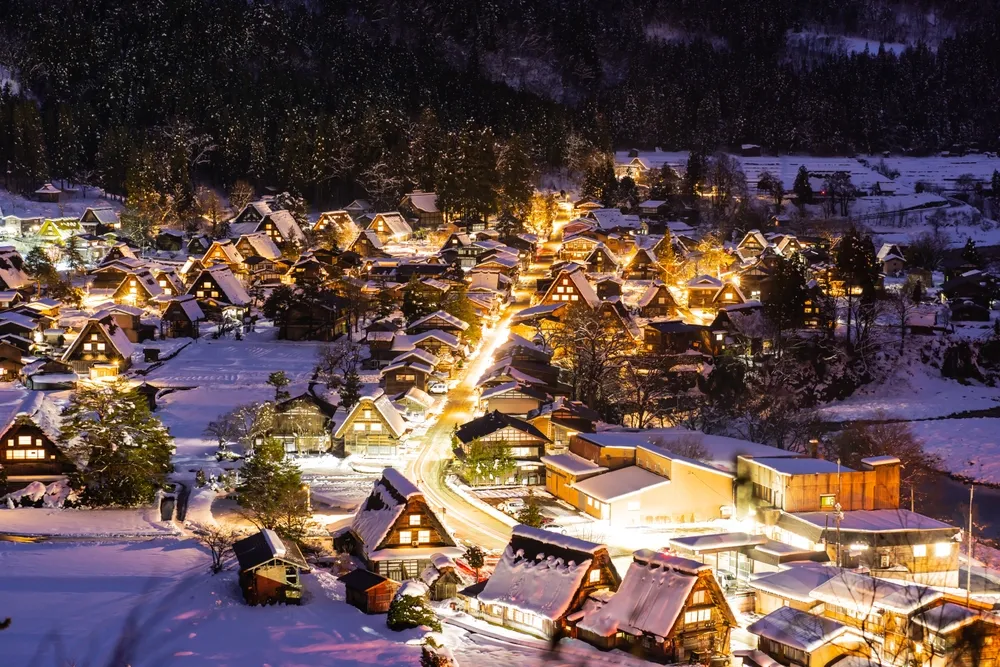
Hakuba in Nagano is one of Japan's best-known ski areas, but treat it as the focus of a snow trip rather than a quick add-on to Tokyo or Kyoto. A successful ski break depends on current snow, lift operations, transport and whether lessons or rental equipment suit your group. Check the official Hakuba Valley snow and lift information before committing to dates or non-refundable transfers.
If skiing or snowboarding is the main reason for your trip, use this page to choose the kind of winter you want, then turn to our dedicated guides for resort comparisons, gear, lessons and planning.
If you are also weighing other snowy trips in the region, our unexpected Asian winter destinations for snow guide compares options beyond Japan. Whichever route you choose, the right clothing will determine how comfortably you can enjoy it.
What should Filipinos wear in Japan in winter?
Layering is the key. Indoor spaces and trains are often heated, so you will want to add and remove layers throughout the day.
Thermal base layers for top and bottom
A warm mid layer such as fleece or a light down jacket
A windproof and waterproof outer coat
Gloves, a hat and a scarf
Warm socks and waterproof shoes with a good grip for wet or icy ground
Lip balm and moisturiser, since winter air is dry
Footwear deserves extra thought. Smooth soles can be slippery on icy pavements, so choose shoes with good traction and consider slip-on grips if you are heading to a snowy area. You can buy many winter items in Japan, but having the basics with you saves time on arrival. Once you know what you are wearing, decide how you will carry it between cities.
How should you handle luggage in winter?
Winter clothing takes space and weight. Wear your bulkiest layers on the plane, compress the rest and leave room for a coat you might buy on arrival. Check your airline's baggage allowance before you pack, because thick jackets and boots can push you over the limit.
Japanese stations have many stairs, and snow and ice make dragging a large suitcase harder. If you are moving between cities, ask your hotel whether it offers luggage forwarding, or pack a smaller bag for a few nights and send the rest ahead. A lighter bag also means fewer problems on crowded trains. With your luggage plan settled, you can map the travel days themselves.
How do you get around Japan in winter?
Trains and subways generally remain the most practical way to move between cities, but snow can cause delays in some regions. Keep extra time between connections, especially on travel days to and from snow areas, and check your route on the day. Prepare for disruption before it happens.
Do not schedule a tight connection just before an international flight home.
Keep a flexible day near the end of your trip.
Save the contact details of your airline and accommodation.
Check transport updates in the morning on days with heavy snow forecast.
Whether a rail pass is worth it depends on your route. See our Japan Rail Pass versus regional pass guide to compare options. Once the long journeys are set, shape each day around the winter light and the weather.
How do you plan around daylight and weather?
Winter days are shorter, so protect the brightest hours for the outdoor sights that matter most. Use the early evening for a meal, a museum, shopping or an illumination, rather than trying to keep the same sightseeing pace you would in summer.
Build each day around one or two priorities, not a packed checklist. Keep a nearby indoor alternative in mind for rain, wind, or a day when the cold catches up with you. That flexibility makes it much easier to turn a broad route into a realistic itinerary.
What do sample winter itineraries look like?
These routes show how a winter trip can flow without rushing between too many places. Treat them as starting points, then adjust the number of nights for your dates, budget and weather tolerance.
Seven days in Tokyo and Kyoto. Spend three or four nights in Tokyo for neighbourhoods, food and evening illuminations, then two or three nights in Kyoto for temples, gardens and slower meals. Add Nara as a half-day trip if the forecast is dry. This is the easiest first-time route because you can swap outdoor plans for indoor ones without losing the day.
Five to six days in Hokkaido. Base yourself in Sapporo for city sights, local food and, in early February, the Snow Festival. Add a snow activity or day trip only when the forecast and transport conditions make it realistic. Keep a spare day around any important connection. If it’s a ski-focused trip, choose the resort first, then book accommodation, transfers, lessons and rental needs around it. Leave a buffer before any flight home, because mountain weather can change the travel day.
What about hot springs and photography?
Hot springs, known as onsen, are a highlight of a cold trip. Learn the basic etiquette before you go, such as washing before you enter the bath and following the rules on tattoos at the facility you choose. Some facilities have private baths for families or anyone who prefers privacy.
For winter photos, cold can drain phone batteries faster, so keep your phone inside your coat and carry a power bank. Clear mornings can give you better light, but do not build the whole day around a single shot. The experiences you choose also shape the budget you need.
How much does a Japan winter trip cost?
Costs depend on your dates, your route and your style of travel. Winter adds some items to your budget:
Winter clothing if you do not own it
Higher room rates in peak periods such as the Sapporo Snow Festival or the year-end holidays
Extra transfer costs if snow forces a change of plan
Hot drinks, indoor activities and meals on cold days
Lift passes, gear rental and lessons if you add a snow sport
For ranges and tips, see our guide on how much to spend in Japan. Before you finalise those bookings, make sure your entry documents are on track.
Visa and travel preparation
Visa timing should come before most non-refundable booking decisions. Filipino passport holders need a visitor visa for tourism in Japan. Check with the Embassy of Japan in the Philippines for more information on how to apply, the process, and the timeline. Prepare early, but keep flights and hotels flexible until the visa is approved. Our Japan tourist visa update for Filipinos also explains the steps.
Before you fly, check the latest Embassy guidance and Japan’s current arrival requirements, then keep copies of your visa, bookings and insurance documents together. With the paperwork in hand, you can decide whether travel insurance suits the trip you have planned.
Travel insurance for a winter trip
A winter trip to Japan can be short and still have expensive moving parts, from flights and hotels to ski bookings and a tight return journey. If a covered disruption affects the trip, travel insurance may help with eligible costs such as medical emergencies, trip interruption, travel delay or baggage issues. It does not make winter weather predictable, and cover always depends on the plan, its limits, conditions and exclusions. If skiing or snowboarding is on your itinerary, confirm whether that activity is covered before you buy.
Choose cover against the trip you have actually booked, not a generic checklist. Read the product details and exclusions alongside your dates, domestic connections and any snow sports. As starting point, read our travel insurance for Japan for Filipinos guide, then get a free travel insurance quote if it suits your trip. Once this is settled, use the checklist below as your final booking pass.
Your Japan winter checklist
Use this as a final check before you start paying for bookings. It brings the details that protect the trip together, so you can leave with a clear plan instead of last-minute loose ends.
Confirm the latest visa guidance and apply within the Embassy’s timing window
Choose your destination and decide how much snow you want
Book flexible flights and accommodation for snow-dependent plans
Pack thermal layers, waterproof outerwear and shoes with good grip
Leave buffer time on intercity and airport travel days
Save one indoor alternative for each day
Arrange travel insurance if it suits your trip, then keep key documents together
Plan your Japan winter trip
Japan in winter feels most rewarding when the route matches the experience you came for. A city-led first trip through Tokyo or Kyoto, a snow-filled stay in Hokkaido and a ski holiday in Nagano each need a different pace and level of preparation.
Choose your destination with intention, settle the visa early and leave room for weather changes on travel days. Pack for wet or icy ground, keep your bookings and transport updates close, and know your backup plan before you need it. With those details handled, the cold becomes part of the adventure rather than the thing that gets in the way of it.