17 Mins read

Travel Insurance for Japan: What Filipino Travelers Need to Know

Oona

Oona

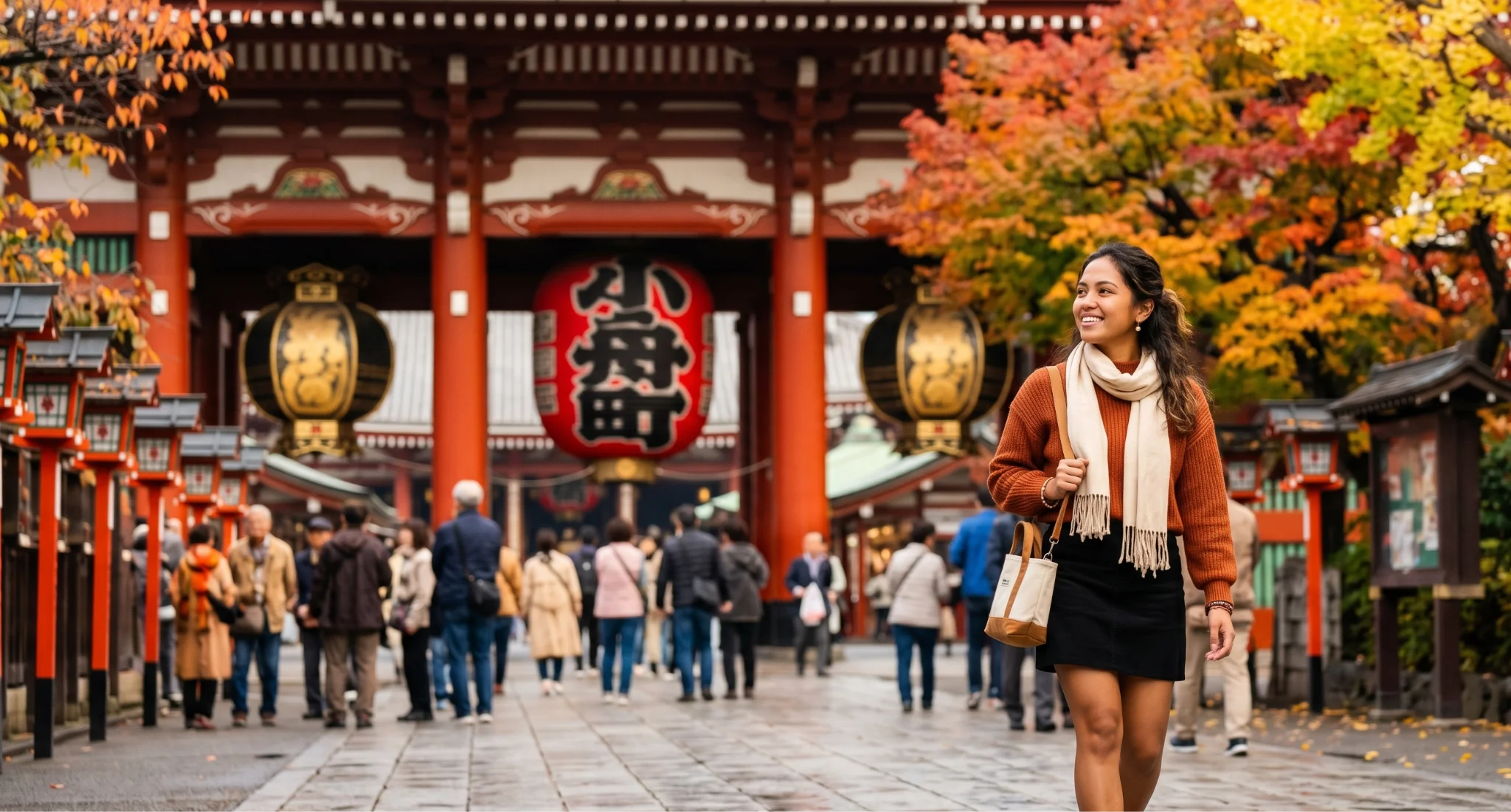
Filipino woman at Senso-ji temple in Tokyo Japan

Japan is one of the most popular international destinations for Filipino travelers, with hundreds of thousands making the trip each year. But Japan's world-class hospitals come at a price that uninsured travelers pay in full, out of pocket. From a clinic visit to emergency surgery, the costs can run into hundreds of thousands of Philippine pesos. This guide covers exactly what travel insurance for Japan covers, what it costs, how to choose the right plan, and what every Filipino traveler should know before boarding a flight to Tokyo, Osaka, or Hokkaido.

Why Filipino Travelers to Japan Should Not Skip Travel Insurance

Over 818,000 Filipinos visited Japan in 2024 according to Japan National Tourism Organization (JNTO) inbound statistics, making the Philippines one of the top Southeast Asian source markets for Japan tourism. Japan draws Filipino travelers for cherry blossom season, ski trips, autumn foliage, theme parks, and everything in between. But there is one part of the trip that too many Filipinos leave unplanned.
 

The Japan National Tourism Organization (JNTO) strongly recommends that all travelers to Japan obtain travel insurance before their trip. Their guidance cites a Japan Tourism Agency survey finding that one in twenty travelers suffers from sickness or injury while abroad. Japan's medical system is highly advanced, but treatment costs for tourists are billed at the full private rate, with no subsidy for foreign nationals.
 

PhilHealth does not cover medical expenses incurred outside the Philippines. HMO cards issued by Philippine providers are similarly limited to in-network facilities within the country. If you fall ill or are injured in Japan without travel insurance, you are responsible for the full cost of treatment, diagnostic tests, and any hospital stay, paid upfront before discharge.
 

For Filipino travelers, this is not a theoretical risk. Common situations that trigger claims include food poisoning, respiratory infections from air travel, skiing and snowboarding injuries in Hokkaido, road accidents, and appendicitis. Each of these scenarios can produce a bill that far exceeds the cost of a round-trip flight. 

Japan's New Entry Rules on Unpaid Medical Bills

Japan has introduced an important policy change that every Filipino traveler should know about. Starting April 2026, Japanese immigration authorities gained access to records of unpaid medical bills left by foreign visitors. Visitors who left Japan with outstanding medical debt as low as JPY 10,000 (approximately PHP 3,500 at current exchange rates) could be refused re-entry when they attempt to return.
 

This policy was introduced in response to a steady rise in unpaid medical bills at Japanese hospitals treating foreign tourists. Travelers who receive emergency treatment, pay nothing, and depart before settling the bill now face consequences that can affect future travel to Japan.
 

Travel insurance protects you on both sides of this equation. If you receive medical treatment in Japan, your insurer pays the bill directly (on cashless plans) or reimburses you after you pay. Either way, you leave with no outstanding debt, and your ability to return to Japan remains unaffected. 

What Japan Travel Insurance Covers for Filipino Travelers

The exact benefits depend on the plan you choose, but a comprehensive travel insurance policy for Japan typically covers the areas described in each section below.

1. Emergency Medical Treatment and Hospitalization

This is the core benefit. It covers the cost of doctor consultations, hospital admission, diagnostic tests, medication, and emergency procedures if you fall ill or are injured while in Japan. According to healthcare data compiled by e-housing.jp's complete guide to healthcare costs in Japan, uninsured patients pay 100 percent of medical costs upfront. A standard clinic visit runs ¥5,000 to ¥15,000, a hospital visit ¥10,000 to ¥30,000, and an emergency room visit ¥20,000 to ¥50,000 or more depending on treatment required. More serious procedures can cost several million yen. Travel insurance covers these costs up to the plan's medical benefit limit.
 

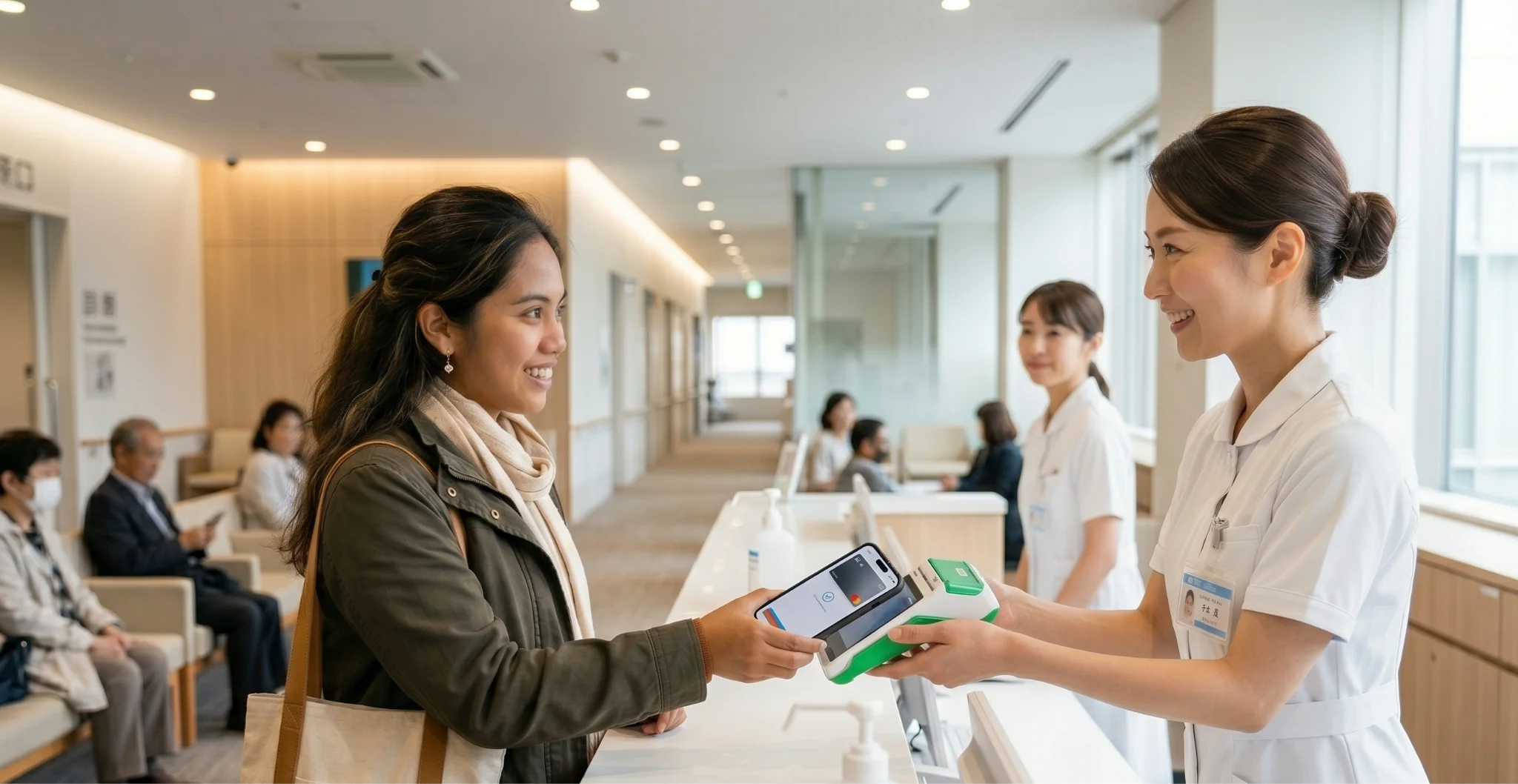
Some insurers including Oona offer cashless claims, meaning the insurer settles the bill directly with the hospital, so you do not need to pay out of pocket and wait for reimbursement later. This is particularly valuable in Japan, where hospital reception may require proof of payment ability before admitting a patient.
 

For practical guidance on what to do when you feel unwell during a trip, see our guide on managing medical situations while traveling abroad.

2. Medical Evacuation and Repatriation

If your condition is serious enough to require transport back to the Philippines, medical evacuation coverage pays for the cost of an air ambulance or medically supervised repatriation flight. This benefit is separate from your regular airline ticket and covers the cost of specialised medical transport, which can reach several hundred thousand pesos on its own.

3. Trip Cancellation and Curtailment

If you need to cancel your Japan trip before departure due to a covered reason such as sudden illness or a family emergency, affecting your destination, this benefit reimburses non-refundable expenses including flights and accommodation prepayments. Trip curtailment covers the same losses if you need to cut your trip short and return home early. 

4. Baggage Loss, Damage, and Delay

If your checked baggage is lost by the airline, damaged in transit, or delayed beyond a specified threshold, travel insurance compensates you for the affected items or provides a cash allowance for essential purchases while you wait for your bags to arrive. Japan's luggage forwarding services (takkyubin) are excellent, but airline baggage issues before arrival remain outside their scope.

5. Flight Delays and Missed Connections

If your flight is delayed beyond the threshold specified in your policy, typically six hours or more, this benefit provides a cash allowance for meals, accommodation, and transport costs incurred during the delay. If a delay causes you to miss a connecting flight, the policy also covers the cost of rebooking.

6. Personal Liability

If you accidentally damage property or injure a third party while in Japan, this benefit covers the legal costs and compensation claims up to the policy limit. This is particularly relevant for active travel involving rented equipment such as bicycles, ski gear, or water sports equipment.
 

Benefit

Typical Coverage Range

Notes

Emergency Medical

PHP 500,000 to PHP 5,000,000+

Check for cashless claim availability

Medical Evacuation

Up to actual cost or policy cap

Separate from standard medical benefit

Trip Cancellation

Up to trip cost or policy cap

Covered reasons vary by plan

Baggage Loss

PHP 10,000 to PHP 50,000+

Per-item limits apply

Baggage Delay

PHP 3,000 to PHP 10,000

Cash allowance after threshold hours

Flight Delay

PHP 3,000 to PHP 10,000

Usually 6-hour threshold

Personal Liability

PHP 1,000,000+

Third-party injury or property damage


Disclaimer:
Coverage details may vary by policy, insurer, plan type, exclusions, and applicable terms and conditions. Always review the official policy wording before purchase.


Filipino traveler at a Japanese hospital presenting travel insurance

Japan-Specific Risks That Make Travel Insurance Essential

Japan is generally well prepared for tourists, but even experienced travelers can face costly disruptions when weather, medical emergencies, language barriers, or activity-related injuries happen abroad. For Filipino travelers, travel insurance can provide practical support beyond reimbursement, including access to emergency assistance, hospital coordination, and guidance on required claim documents while in Japan.

Type of Risk

Why Travel Insurance Matters

Skiing and Snowboarding In Hokkaido & Nagano

Destinations such as Niseko, Rusutsu, Furano, and Hakuba are popular in winter, but skiing and snowboarding injuries can lead to substantial medical costs. If you are planning a ski trip to Japan, verify that your travel insurance plan includes winter sports coverage, as some standard plans exclude skiing without an add-on.

Natural Disasters, Including Earthquakes

Japan experiences regular earthquakes and occasional volcanic activity. Travel insurance may help cover emergency medical treatment, and some plans may include trip cancellation or curtailment benefits related to natural disasters.

Food Allergies & Dietary Restrictions

Language barriers can make it harder to communicate severe food allergies. Emergency medical coverage is important for travelers with known allergies, especially when urgent treatment is needed.

Solo Travel
Risks

Japan is one of the safest countries in the world, but solo travelers face practical challenges if they become ill or injured with no one to assist them. For Filipino travelers planning a solo trip to Japan, travel insurance provides a direct line to an emergency assistance team that can coordinate with local hospitals, arrange translation, and handle claims without requiring help from travel companions.


Disclaimer:
Benefits, exclusions, limits, and assistance services vary by travel insurance policy. Review the policy wording and schedule of benefits before purchase, especially if your Japan itinerary includes winter sports, remote destinations, known medical risks, or solo travel.

How to Choose Travel Insurance for Japan as a Filipino Traveler

Not all travel insurance plans are equally suited to a Japan trip. The considerations below apply specifically to travel between the Philippines and Japan.

1. Check the Medical Coverage Limit

Japan is an expensive medical destination. A plan with a PHP 500,000 medical limit may be adequate for some destinations, but for Japan, a limit of PHP 2,000,000 or higher gives you meaningful protection against serious scenarios. If you are skiing or planning high-activity trips, consider plans with higher medical limits.

2. Prioritise Cashless Claims in Japan

In Japan, some hospitals require upfront payment or evidence of coverage before treating non-emergency cases. A cashless travel insurance plan, where your insurer liaises directly with the hospital, removes the need to pay large sums out of pocket and then claim reimbursement later. Confirm whether your insurer has a Japan hospital network for cashless claims.

3. Confirm Winter Sports Coverage

If your Japan trip includes a stay at Niseko, Furano, Rusutsu, or Hakuba, verify that skiing and snowboarding are covered under your plan. Some base plans exclude winter sports. If you are booking a ski-heavy itinerary, confirm this before purchasing.

4. Match the Duration to Your Itinerary

A two-week Japan itinerary requires a policy that covers the full duration including travel days. If you have a connecting flight or a layover in a third country, check whether your plan covers the entire journey from departure to return.

Understand Pre-Existing Condition Exclusions

Most travel insurance plans exclude claims arising from pre-existing medical conditions that were known at the time of purchase. If you have a chronic condition, disclose it when purchasing your plan and check what coverage options are available. Some plans offer coverage for stable pre-existing conditions with additional conditions.

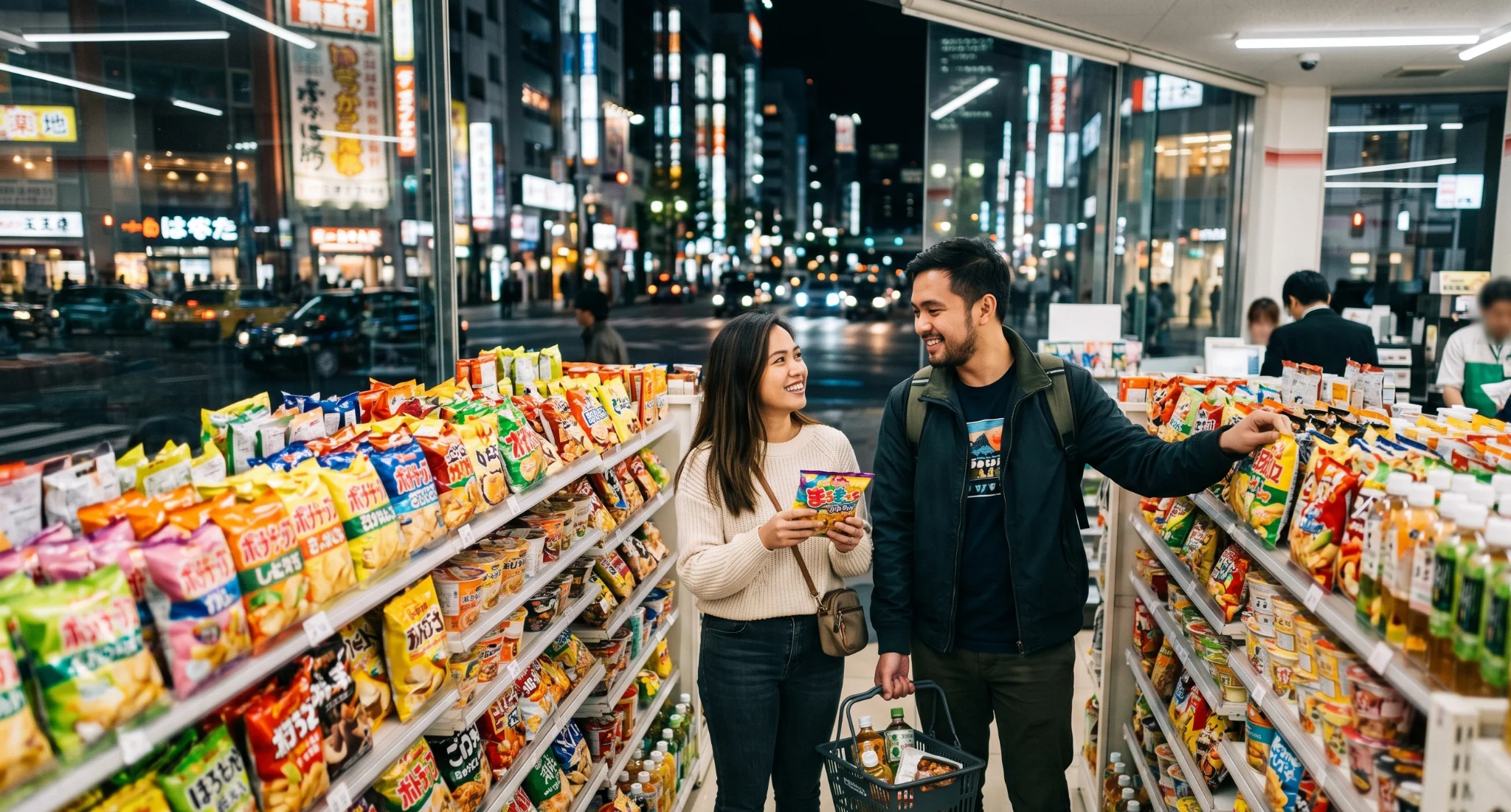
Filipino couple at a Tokyo convenience store during Japan trip

What Japan Travel Insurance Does Not Cover

Understanding exclusions is as important as understanding what a plan covers. While benefits vary by provider and policy, common exclusions in travel insurance may include:

Common Exclusion

What This May Mean

Pre-Existing
Medical Conditions

Medical conditions that were undisclosed or not covered under the plan terms may not be eligible for claims.

Self-Inflicted Injuries
or Reckless Behavior

Injuries or incidents caused by intentional, reckless, or illegal acts are commonly excluded.

War, Civil Unrest,
or Terrorism

Some policies may exclude claims related to war, civil disturbance, or acts of terrorism.

Elective or
Non-Emergency Procedures

Planned treatments, non-urgent care, or medical procedures that are not emergency-related may not be covered.

Cosmetic Treatments & Non-Emergency Dental Care

Cosmetic procedures and dental services beyond emergency pain relief are usually excluded.

Alcohol or Drug-Related Incidents

Claims arising from alcohol intoxication or drug use may be denied.

Unlisted High-Risk Activities

Extreme sports or adventure activities may not be covered unless specifically included in the plan.

Loss of Cash, Travel Cards, or Mobile Devices

Some policies may limit or exclude coverage for cash, cards, gadgets, or mobile devices.


Disclaimer:
Exclusions, limits, and claim requirements vary per travel insurance policy. Always review the policy wording, schedule of benefits, and exclusions before purchase. For questions about specific activities, medical conditions, or travel concerns, contact the insurer before your trip to Japan.

Does Japan Require Travel Insurance for a Tourist Visa

Travel insurance is not formally required to enter Japan on a tourist visa or under visa-free entry. Filipinos can currently visit Japan visa-free for up to 15 days or apply for a tourist visa for longer stays. For the latest entry and visa conditions for Filipinos, see our updated guide on Japan tourist visa requirements for Filipino travelers.
 

While travel insurance for your Japan trip is not a formal entry requirement, the combination of JNTO's strong recommendation, Japan's new unpaid medical bill enforcement policy, and the genuine cost of medical treatment in Japan makes it a practical necessity for any Filipino traveler. The premium is a fraction of what a single hospitalisation could cost. 

How to Claim Your Travel Insurance in Japan

Knowing what to do during a medical emergency or travel disruption can make the claims process smoother. Before your flight, save your policy number, emergency assistance hotline, and insurer contact details on your phone and in a printed copy. This helps you get guidance quickly, especially if you are in a hospital, police station, airport, or hotel in Japan.

1. Contact Your Insurer’s Emergency Assistance Line

Call your insurer’s emergency assistance line before seeking treatment, or as soon as reasonably possible in urgent cases. This is especially important for hospitalisation, major treatment, or cashless assistance requests. The emergency team may help direct you to an appropriate medical facility, coordinate with the hospital, confirm required documents, and explain the next steps under your policy.

2. Keep All Receipts and Medical Documentation

For reimbursement claims, keep original receipts, medical reports, diagnosis documents, prescriptions, discharge summaries, and payment records. Request these before leaving the hospital or clinic. Some Japanese medical facilities can provide English-language documentation for foreign patients, but it is best to ask early.

3. File the Claim Promptly After Returning

Submit your claim within the period stated in your policy, commonly within 30 to 90 days depending on the insurer and benefit type. Do not wait until documents are lost or details are forgotten. Oona travel insurance claims may be initiated online or by contacting the claims team directly. 

How Much Does Japan Travel Insurance Cost for Filipinos?

The cost of travel insurance for Japan from the Philippines depends on several factors, including trip duration, traveler age, coverage limits, destination activities, and the type of plan selected. For many Filipino travelers, the premium is a small part of the total Japan trip budget, but it can provide important financial protection against medical emergencies, trip cancellations, baggage issues, or travel delays.

Cost Factor

How It Can Affect the Premium

Trip
Duration

Longer trips usually cost more because
the coverage period is extended.

Coverage
Limit

Plans with higher emergency medical, evacuation,
or personal accident benefits may have higher premiums.

Traveler
Age

Premiums may vary depending on
the age of the insured traveler.

Type of
Trip

Leisure, family, business, or multi-country
trips may affect the plan type and pricing.

Activities
In Japan

Skiing, snowboarding, or other higher-risk
activities may require a plan upgrade or add-on.

Number Of Travelers

Family or group plans may offer better value
per person compared with separate individual policies.

Single-Trip vs. Annual Plan

Frequent travelers may find annual multi-trip plans
more cost-efficient than buying a separate plan for each trip.


Disclaimer:
Premiums vary by insurer, plan type, destination, trip duration, traveler details, and selected benefits. Always review the quotation, policy wording, exclusions, and schedule of benefits before purchase to confirm the actual cost and coverage for your Japan trip.
 

For a fuller explanation of typical premiums, coverage limits, and factors that affect pricing, read our guide on how much travel insurance costs for Filipinos. Compared with the total cost of a Japan trip, including flights, accommodation, food, transport, tours, and shopping, travel insurance is usually a small part of the overall budget. However, its value can be significant if you face an unexpected medical emergency, hospitalisation, evacuation, trip cancellation, or major travel delay while abroad. 

Travel Smarter Before Flying to Japan

A Japan trip is a major travel investment, from flights and hotels to rail passes, tours, meals, and shopping. Japan travel insurance helps protect that budget if an unexpected medical emergency, travel delay, baggage issue, or trip cancellation disrupts your plans.
 

Before leaving the Philippines, make sure your travel insurance for Japan is active and suited to your itinerary. Save your emergency assistance number, review key exclusions, confirm winter sports coverage if you plan to ski, and keep copies of your policy, receipts, and medical documents.
 

Do not wait until departure day to arrange your travel insurance for Japan. Review your coverage options, get a quote online, and make sure your trip is protected before you fly.

Frequently Asked Questions

Is travel insurance required for Japan as a Filipino traveler?

Answer
Japan does not currently require travel insurance for entry. However, JNTO strongly recommends it, and since April 2026, Japan's immigration authorities can deny re-entry to travelers who left Japan with unpaid medical bills. Travel insurance protects both your health and your future ability to return to Japan.
Questions
Is travel insurance required for Japan as a Filipino traveler?
Sequence Id
1
Tags

Is Japan travel insurance for Filipinos different from standard international coverage?

Answer
Functionally, Japan-specific travel insurance works the same way as general international travel insurance. The distinction is in ensuring your plan's medical limit is adequate for Japan's costs, that winter sports are covered if applicable, and that cashless claims are supported in Japan. A plan designed for Japan will reflect these specific considerations.
Questions
Is Japan travel insurance for Filipinos different from standard international coverage?
Sequence Id
10
Tags

Does Japan travel insurance cover earthquakes and natural disasters?

Answer
Most travel insurance policies cover emergency medical treatment resulting from a natural disaster including earthquakes. Some plans also cover trip cancellation or curtailment triggered by a natural disaster at your destination. Check the specific wording of your plan for natural disaster coverage.
Questions
Does Japan travel insurance cover earthquakes and natural disasters?
Sequence Id
8
Tags

Does PhilHealth cover medical treatment in Japan?

Answer
PhilHealth does not cover medical treatment incurred outside the Philippines. Filipino travelers are personally responsible for the full cost of any medical care received in Japan if they do not have travel insurance.
Questions
Does PhilHealth cover medical treatment in Japan?
Sequence Id
2
Tags

Can I buy Japan travel insurance after I arrive?

Answer
Some travel insurance products can be purchased after arrival, including through the Japan Tourism Agency's dedicated safe travel website. However, purchasing before departure gives you broader coverage including trip cancellation and curtailment, which apply from the moment you buy the plan.
Questions
Can I buy Japan travel insurance after I arrive?
Sequence Id
7
Tags

How soon after my trip should I file a travel insurance claim?

Answer
Most plans require claims to be filed within 30 to 90 days of the incident. File as early as possible after returning to the Philippines. Gather all receipts, medical reports, and documentation before leaving Japan, as it is difficult to obtain these after the fact.
Questions
How soon after my trip should I file a travel insurance claim?
Sequence Id
12
Tags

How do cashless travel insurance claims work in Japan?

Answer
With a cashless travel insurance plan, your insurer coordinates directly with the hospital to settle the bill. You present your policy details at the hospital reception, the insurer confirms coverage, and payment is arranged without you needing to pay out of pocket. Oona's cashless claim network allows this in covered facilities.
Questions
How do cashless travel insurance claims work in Japan?
Sequence Id
9
Tags

Does my credit card travel insurance cover me in Japan?

Answer
Some Philippine credit cards include basic travel insurance as a benefit, but coverage levels vary significantly. Limits are often lower than standalone plans, and the activation conditions, such as purchasing your flight with the card, may apply. Read your card's insurance terms and confirm coverage before relying on it as your only protection.
Questions
Does my credit card travel insurance cover me in Japan?
Sequence Id
4
Tags

How much does travel insurance for Japan cost?

Answer
A standard travel insurance plan for a 7-day Japan trip typically costs between PHP 600 and PHP 2,000, depending on the coverage level and the insurer. Plans with higher medical limits, ski coverage, or multi-trip annual policies are priced differently.
Questions
How much does travel insurance for Japan cost?
Sequence Id
3
Tags

Does Japan travel insurance cover trip cancellation due to visa rejection?

Answer
Visa rejection is generally not a covered reason for trip cancellation in standard travel insurance plans. If your Japan visa is rejected after you have purchased flights and accommodation, check your policy's specific list of covered cancellation reasons. Some plans may have optional add-ons that address this.
Questions
Does Japan travel insurance cover trip cancellation due to visa rejection?
Sequence Id
11
Tags

What happens if I get sick in Japan without travel insurance?

Answer
You will be billed at the full private rate for all treatment, diagnostic tests, and hospital stays, payable upfront. For serious conditions, costs can easily exceed PHP 200,000 to PHP 500,000. If you leave Japan without paying, you risk being refused entry on future visits under Japan's 2026 enforcement policy.
Questions
What happens if I get sick in Japan without travel insurance?
Sequence Id
6
Tags

Does Japan travel insurance cover skiing and snowboarding?

Answer
Not automatically. Some travel insurance plans exclude skiing and snowboarding from their standard coverage. If your Japan trip includes time at ski resorts in Hokkaido or Nagano, confirm that your plan covers winter sports or purchase an add-on that does.
Questions
Does Japan travel insurance cover skiing and snowboarding?
Sequence Id
5
Tags

Japan Trip? Don't Skip Travel Insurance

Get Free Quote