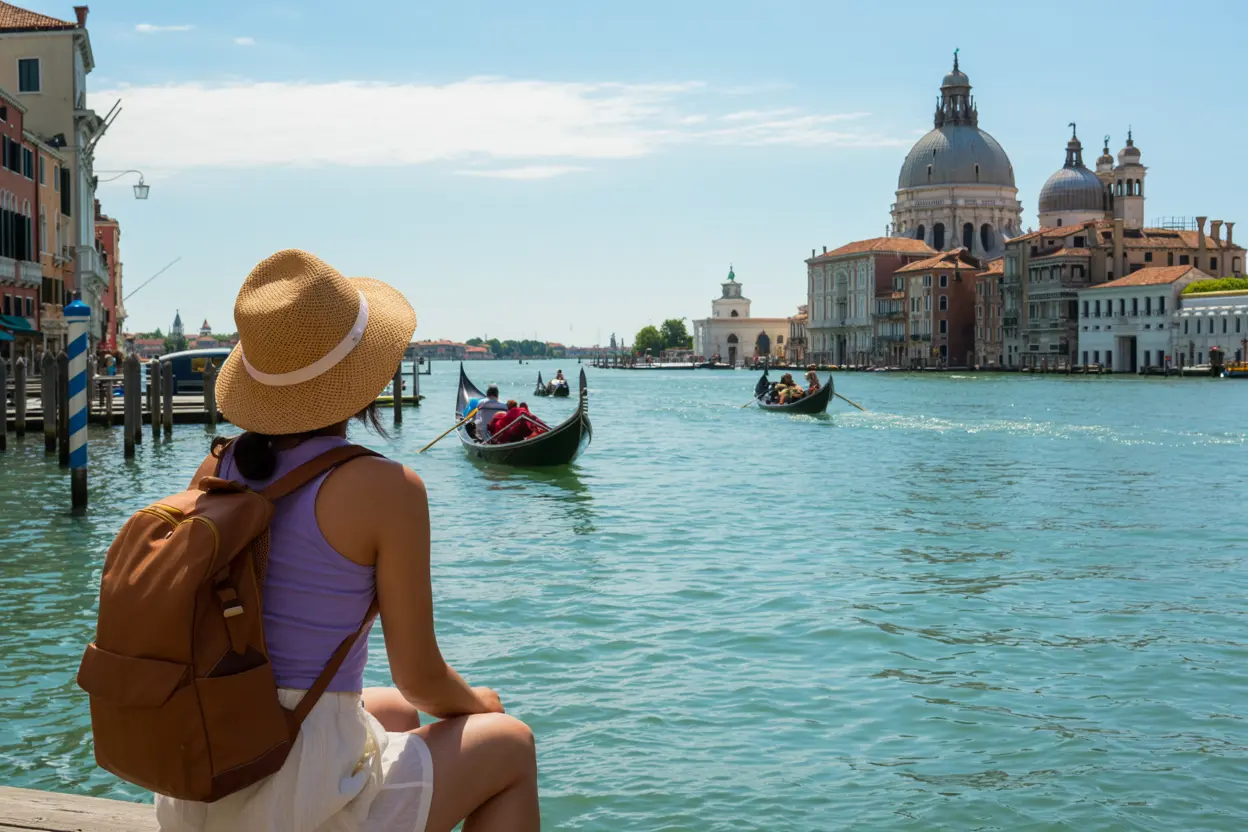
When Travel Insurance Goes from Optional to Essential
Ever had a friend cancel a long-awaited trip kasi biglang nagkasakit? Or maybe you’ve come across TikToks of Pinoys stranded for hours—or even days—dahil sa canceled flights, system glitches, or missing baggage? Travel is exciting, but it also comes with a lot of unpredictable “what if” moments. And that’s exactly where travel insurance becomes more than just a nice-to-have—it becomes essential.
Marami pa ring travelers ang nag-i-skip ng insurance thinking, “Sayang pera, short trip lang naman.”
But the truth is: travel insurance protects you from both major emergencies and small, annoying hassles that can ruin your trip and drain your wallet—like delayed baggage, lost passports, missed connections, medical treatment abroad, or emergency evacuations that can cost hundreds of thousands.
In this article, we’ll walk you through the real signs you absolutely need travel insurance, especially if you’re:
Taking an international flight where medical costs, cancellations, and lost baggage risks are higher
Traveling with kids, seniors, or a big group—mas marami, mas mataas ang chances of mishaps
Joining tours with non-refundable deposits (crucial for Europe, cruises, package tours, Japan group tours, etc.)
Flying during months with unpredictable weather, peak season congestion, or typhoon alerts
Note: Not all policies cover natural disasters like typhoons or volcanic eruptions. Always check the fine print to be sure you’re covered for the risks you’re most worried about.
We’ll also bust some common myths like “short trip lang naman” or “may coverage na ’yung credit card ko.” These signs are based on real experiences of Pinoy travelers, backed by data:
A report by AP News states that over 280 flights were cancelled or diverted at NAIA due to a major air traffic system failure on January 1st 2023
Travel medical emergencies can be extremely expensive. For example, BDO Insure offers travel medical coverage of up to ₱1.5 million, indicating how high overseas medical costs can go for travelers without insurance.
According to Luma Health, medical evacuation from the Philippines to Singapore can start from US $30,000, and hospital stays abroad can reach thousands of dollars depending on location and severity.
We'll also show you how to choose the right coverage, and guide you with helpful resources like:
Now that we’ve outlined the risks and realities of travel, let’s take a closer look at how these situations play out and when travel insurance goes from optional to essential.
The Joy of Travel And the Risks We Often Ignore
There’s nothing quite like the thrill of booking a trip. Whether it’s a long-awaited family vacation, a spontaneous backpacking adventure, or an important business flight abroad, travel gives us that rare feeling of freedom and escape. It’s exciting, it’s refreshing, and it’s something many of us look forward to for months.
But let’s be honest: travel can also be wildly unpredictable. Your luggage could go missing, your flight could get delayed for hours, or you might end up feeling sick right before or during your trip. And while we spend so much time planning itineraries, hunting for promos, and choosing the perfect outfits, very few travelers stop to ask:
“What if something goes wrong?”
This is exactly where travel insurance steps in.
Often dismissed as an optional add-on, it can actually save you from unexpected expenses, stressful disruptions, and ruined travel plans. There are very real situations where skipping insurance could cost you far more than the premium itself.
In the next section, we’ll walk through the key moments when travel insurance becomes a must-have, and why protecting your trip matters just as much as planning it.
Sign #1: You're Traveling Internationally
Domestic trips come with their own hiccups, but international travel raises the stakes. Once you step outside the Philippines, you’re dealing with foreign healthcare systems, stricter travel rules, unfamiliar laws, and much higher medical costs. Even a minor issue abroad can quickly turn into a financial burden.
Picture this: You’re enjoying the streets of Tokyo when you suddenly feel sick. A simple clinic visit can already cost tens of thousands of yen, and if you need tests or hospitalization, the bill can reach hundreds of thousands of pesos—and that’s without any local insurance to help you.
Insurers like BDO Insure even offer medical coverage of up to ₱1.5 million, which tells you just how expensive a worst-case scenario can be abroad.
And here’s the kicker:
Without travel insurance, hospitals often require you to pay everything upfront—yes, even emergency treatments.
But medical issues aren’t the only threat to your budget. When traveling internationally, you’re also exposed to risks like:
Non-refundable hotel bookings
Missed or canceled flights
Lost or delayed baggage
Visa-related trip changes
Unexpected weather disruptions
Any of these can derail your plans and drain your savings if you’re not covered.
International travel is exciting, but it also comes with real, costly risks. Travel insurance is one of the simplest ways to protect yourself so you can focus on the adventure, not the what-ifs.
Sign #2: You Have Non-Refundable Bookings
Scored a seat sale? Joining a guided tour? Booking a hotel with a strict “no refund, no rebooking” policy? Many budget airlines, hostels, and tour companies offer great prices, but they also come with zero flexibility.
If something unexpected happens and you suddenly can’t go, you could lose everything you’ve already paid.
This is where trip cancellation coverage becomes essential. It helps you recover prepaid, non-refundable expenses such as:
Flights
Hotels and Airbnb stays
Tour packages
Activity passes
Transfers
But here’s the important catch: You can’t cancel just because you changed your mind.
Insurance only applies when the cancellation is due to specific, valid reasons.
According to Oona PH’s travel insurance terms, you can file a claim for non-refundable bookings if your trip is canceled because of:
Illness or injury (you or a travel companion)
Death in the immediate family
Serious damage to your home (e.g., fire, flood, break-in)
Unexpected job loss
Required court appearance (subpoena, jury duty, etc.)
Note: Fear of travel, visa denial, or simply changing your plans are not covered—a common misconception among travelers.
To maximize protection, buy travel insurance as soon as you make your bookings. This ensures you’re covered before your departure in case a sudden illness, emergency, or unforeseen event forces you to cancel.
Non-refundable deals can save you money, but they also come with risk. Trip cancellation coverage gives you peace of mind knowing your hard-earned travel budget won’t go to waste.
Real-Life Scenario:
Maria booked a ₱20,000 island tour package in Bali, a trip she had been looking forward to for months. But just three (3) days before her flight, she got too sick and was advised by the doctor to take a week’s bed rest. This forced her to cancel everything.
Because she purchased Oona Travel Insurance right after finalizing her bookings, she was able to file a claim quickly and get most of her prepaid costs reimbursed: no stress, no endless back-and-forth, and no painful financial loss.
Now imagine dealing with a situation like that while managing a whole group or traveling with family.
The risks multiply. The stress multiplies. And the financial loss? Even bigger.
Trip cancellation coverage ensures that when life happens, your wallet doesn’t have to take the hit.
Sign #3: You're Traveling With Seniors, Kids, or a Big Group
Traveling solo is one thing, but traveling with toddlers, seniors, or an entire family or barkada is a completely different level of coordination (and stress). More people means more chances that someone might get sick, injured, or face a last-minute emergency.
Seniors may have pre-existing conditions, while kids are prone to unexpected fevers, allergies, or infections, sometimes right before a flight or during the trip. Any of these situations can lead to:
Last-minute doctor visits
Emergency early return trips
Extended hotel stays due to illness
Changes in itineraries for the whole group
The good news?
Many travel insurance policies offer companion coverage, meaning if one family member gets sick, the entire group’s trip may be protected, not just the person affected.
Note: Always check the policy details for trip interruption, companion medical expenses, and coverage limits for seniors or children. Some insurers require add-ons or have age-specific rules.
And even with perfect planning, Mother Nature can still throw surprises your way, especially during typhoon season, monsoon months, or when traveling to weather-prone regions. A single storm can delay flights for days, disrupt tours, and force itinerary changes that insurance can help you recover from financially.
Traveling with loved ones should be fun, not financially draining or stressful. The right coverage ensures everyone stays protected throughout the journey.
Sign #4: You're Traveling During Unpredictable Weather
We all know the feeling, nakabook ka na, tapos biglang may parating na bagyo.
If you’re flying during the rainy season in the Philippines or heading to East Asia during typhoon months (June to November), you’re facing a very real risk of mass flight delays, diversions, or outright cancellations.
Case in point:
According to AP News, more than 280 flights were canceled or diverted in the Philippines on January 1, 2023 due to a major air traffic system failure. Thousands of passengers were stranded, and both domestic and international travel were thrown into chaos.
Now imagine something similar happening in the middle of typhoon season.
Here’s the reality:
Not all travel insurance plans automatically cover weather-related cancellations, especially when natural disasters like typhoons or volcanic eruptions are involved. But some insurers offer specific benefits that can save you from huge out-of-pocket costs, such as:
Missed connection coverage
Extended hotel accommodation reimbursement
Trip delay compensation (for meals, lodging, transportation, and rebooking)
Note: Coverage for natural disasters varies widely by insurer. Always review your policy’s terms and exclusions if you’re flying during high-risk weather months.
Many travelers assume they’re already protected through credit card travel perks, but here’s where things get tricky…
Sign #5: You’re Relying on a Credit Card for Coverage
A lot of premium credit cards proudly advertise “free travel insurance” as part of their perks. And on the surface, it sounds like an easy way to save money. But here’s what many Filipino travelers don’t realize:
To actually qualify for that coverage, you usually need to pay for your entire trip using that exact card. And even if you meet the requirement, the protection you get is often very limited, far from what you’d need for real travel emergencies.
Here’s what most credit card travel insurance doesn’t cover:
Comprehensive medical coverage
(Many plans exclude hospitalization, medical treatment abroad, and repatriation.)
Trip cancellation or trip interruption protection
Coverage tailored for adventure activities or higher-risk destinations
Lost baggage, missed connections, or extended delays
Fast, hassle-free claims
(Most require manual forms, long waiting periods, and strict documentation.)
In many cases, credit card travel insurance only provides accidental death or dismemberment (AD&D) benefits, not the actual hospital bills, emergency evacuation, or non-refundable expenses travelers are more likely to encounter.
This is why standalone travel insurance, like the plans offered by Oona, provides far greater peace of mind. You get higher medical coverage, broader protection, and policy options that fit your destination, activities, and family’s needs.
Credit card perks are nice, but they’re no substitute for real travel insurance when things go wrong.
Quick Comparison: Credit Card Insurance vs Standalone Travel Insurance
Feature
|
Credit Card Insurance
|
Standalone Travel Insurance
|
|---|
Medical Coverage
|
Usually limited (accident-only)
|
Up to ₱1.5M or more (hospitalization, emergency care)
|
Trip Cancellation
|
Rarely included
|
Often included
|
24/7 Emergency Assistance
|
Not guaranteed
|
Typically included
|
Covers All Travelers
|
Only the cardholder
|
Family or group possible
|
Customizable Plan
|
No
|
Yes
|
Claim Filing Process
|
Manual, slow
|
Often online and faster
|
Disclaimer: Simulated comparison for illustrative purposes only. Always refer to your provider’s official documentation for exact coverage details.
Another often-overlooked factor is your health. If you’re managing a pre-existing condition, this next sign is especially crucial, because travel emergencies can become far more complicated and expensive when chronic illnesses or prior medical conditions are involved.
Sign #6: You Have Pre-Existing Medical Conditions
Traveling with asthma, diabetes, hypertension, or other chronic conditions doesn’t mean you have to stay home. Millions of travelers manage health conditions while exploring the world. But it does mean you need to be extra careful when choosing a travel insurance policy.
Many providers offer plans that either include or exclude pre-existing condition coverage, depending on the policy. And here’s the crucial part:
You must disclose any pre-existing conditions upfront.
Failing to do so can have serious consequences:
Why disclosure matters:
Travel stress, weather changes, or local cuisine can trigger flare-ups unexpectedly
Some insurers offer added riders specifically for pre-existing condition coverage
Medical care abroad, especially in countries like Singapore or Japan, can cost tens or hundreds of thousands of pesos
Helpful Read: What Travel Insurance Covers and What It Doesn’t
If you have known health risks, travel insurance isn’t just a recommendation, it’s essential. It’s your safety net, ensuring your trip doesn’t turn into a financial or medical emergency.
When comparing policies, check how they define “pre-existing condition.” Some use a 6-month lookback period, while others cover “stable” conditions under certain terms.
But beyond all the fine print, there’s one universal benefit: peace of mind. Knowing that you—and your health—are protected allows you to truly enjoy your trip without constant worry.
Sign #7: You Want Peace of Mind During Your Trip
At the end of the day, travel insurance isn’t just about money. Yes, it can cover medical bills, lost luggage, or canceled flights, but its most valuable benefit is something you can’t put a price on: peace of mind.
You’re not just buying protection for the “what ifs.” You’re buying the freedom to enjoy your trip fully, knowing that if something unexpected happens, you, and your wallet, are covered.
Hear It From Real Travelers
Still deciding if it’s worth it? Here’s what some Filipino users shared on r/phinvest about travel insurance providers:
“I used Oona for my Schengen visa requirement — super smooth and affordable!”
“Used Oona for Japan. No issues. Easy to purchase online.”
“We always go with Oona pag family trip. You can get a PDF policy agad.”
These testimonials show what many Pinoy travelers truly value:
Easy-to-purchase policies
Affordable coverage for any budget
Reliable protection when it counts
With Oona, you can choose a plan tailored to your destination, trip duration, and travel style, whether it’s a solo Euro adventure, a beach getaway with friends, or a business trip abroad.
The best part? You hope you never need it, but if something unexpected happens, you’ll be glad you got it.
If any of these signs resonate with you, don’t worry—choosing the right travel insurance doesn’t have to be complicated. In the next section, we’ll break down what to look for when picking the perfect policy so you can travel smarter and safer.
How to Choose the Right Travel Insurance Plan
Choosing the right travel insurance can feel overwhelming, but it doesn’t have to be. Knowing what to look for can save you money, stress, and unexpected headaches, especially when traveling abroad. Here’s a simple guide to the key features that matter most:
Feature
|
Why It Matters
|
|---|
Medical Coverage
|
Covers hospital bills and emergency treatment overseas
|
Trip Cancellation
|
Reimburses you for non-refundable bookings if you cancel for covered reasons
|
Baggage Loss/Delay
|
Compensates you if your luggage is delayed or lost
|
Travel Delay
|
Helps cover food and lodging if your flight is significantly delayed
|
Emergency Assistance
|
Gives you access to a 24/7 support hotline wherever you are
|
Repatriation
|
Covers transport costs if you need to be brought home due to illness or injury
|
Adventure Activities
|
Optional add-ons if you're planning hiking, diving, or other high-risk sports
|
Disclaimer: Always check the fine print. Not all plans automatically cover pre-existing conditions or weather-related disruptions.
Explore Oona Travel Insurance Options today!
Once you know which features matter most for your trip, the next step is simple: choose a plan that fits your destination, travel style, and peace-of-mind needs.
With Oona Travel Insurance, you can compare, customize, and secure coverage online in minutes, so your next adventure is fully protected from start to finish.
Where to Buy Travel Insurance (The Smart Way)
Buying travel insurance today is quick, simple, and hassle-free—no long lines, no confusing paperwork. Whether you’re planning a solo adventure or a big family getaway, purchasing your policy early can even unlock trip cancellation protection before you depart.
With Oona’s fully digital platform, you can:
Compare plans side by side to find the coverage that fits your needs
Customize your policy based on trip type, destination, or activities
Buy online and receive your policy instantly via email
Get support anytime via hotline or email, whether you need help or want to file a claim
Whether you’re new to travel insurance or a seasoned globetrotter, a little preparation goes a long way. Choosing the right plan early ensures your trip is fully protected from start to finish, giving you peace of mind to enjoy every moment.
Here’s one last thought before you go.
Conclusion
Traveling is one of life’s most rewarding experiences—but it also comes with risks we often overlook. From delayed flights and lost luggage to medical emergencies abroad or unexpected family crises, even the most carefully planned trips can run into trouble.
If you’re traveling internationally, flying with loved ones, booking non-refundable trips, or heading out during unpredictable weather, travel insurance isn’t just a “nice-to-have”—it’s an essential safeguard.
With Oona Travel Insurance, you get coverage that’s flexible, digital-first, and trusted by fellow Filipino travelers. Enjoy peace of mind, reliable support, and the freedom to explore worry-free, knowing that whatever happens, you’re protected.
Don’t leave your trip to chance. Protect your next adventure, get Oona Travel Insurance today and travel smarter, safer, and stress-free!