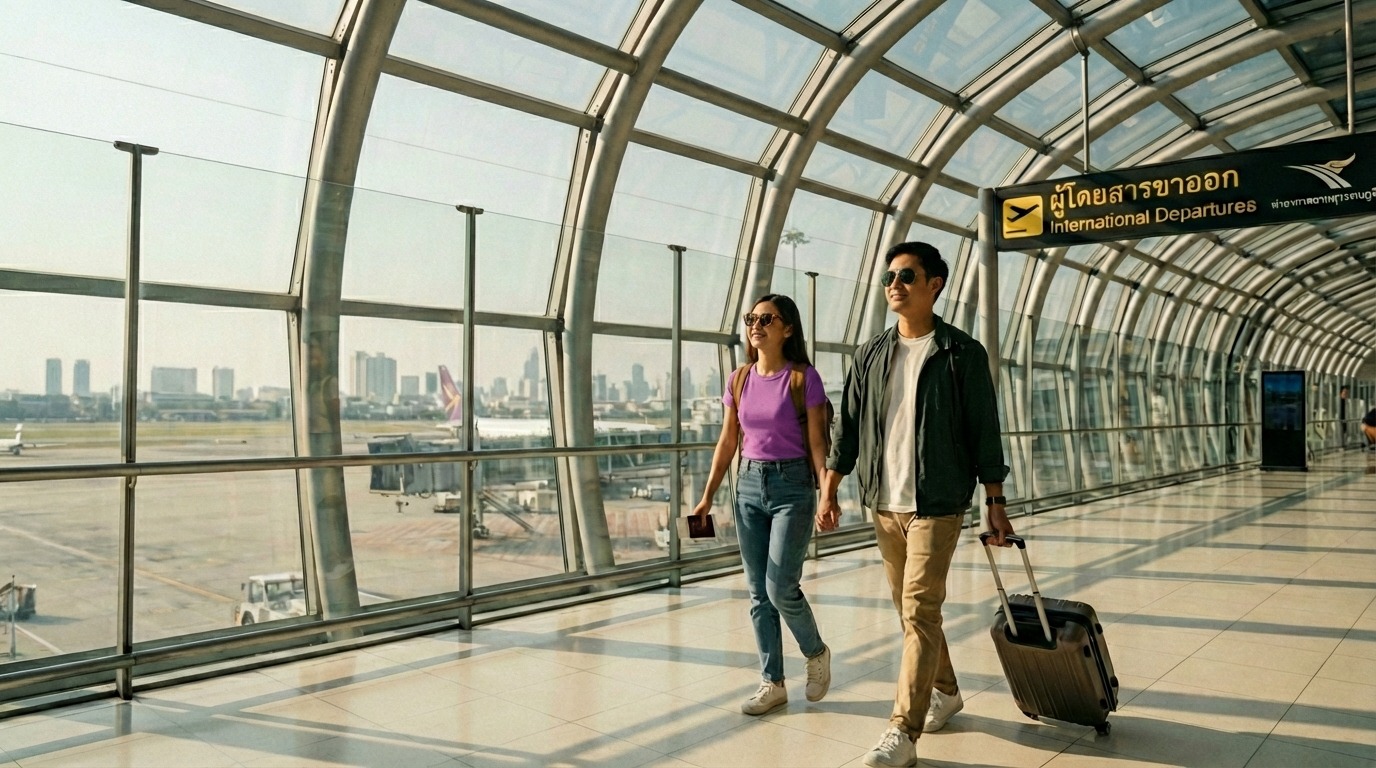
Thailand Visa Rules for Filipinos: Entry Guide
Thailand remains one of the most visited destinations in Southeast Asia, consistently attracting millions of international travelers each year. Based on official tourism statistics from Thailand’s Ministry of Tourism and Sports, the country welcomed over 35 million international visitors in 2024, signaling a strong recovery in inbound travel.
Preliminary 2025 figures report 32.97 million foreign tourist arrivals, reflecting a 7.23% decline year-on-year while maintaining resilient tourism revenue, according to government and industry reports.
Filipino travel demand continues to grow as well. Reports citing data from the Philippine Department of Tourism show that 536,317 Filipinos traveled to Thailand in 2025, representing a 32.08% year-on-year increase. This underscores Thailand’s appeal as a short-haul, visa-free destination for Philippine passport holders.
These numbers highlight two important realities: Thailand remains highly accessible, and it also manages significant daily passenger volumes at major entry points such as Bangkok and Phuket. While Thailand offers visa-free entry for Filipinos, preparation is still essential.
Visa-free does not mean requirement-free.
In this guide, we will cover:
Whether Filipinos need a visa to visit Thailand
The allowed length of stay under visa-free entry
Thailand entry requirements for Filipino travelers
Documents immigration officers may request upon arrival
Overstay penalties and extension options
Common immigration issues and how to avoid them
We will also explain why travel insurance remains relevant, even for visa-free trips—to help protect your travel investment and avoid unnecessary financial risk.
To understand what this means in practical terms, let us begin with the most common question Filipino travelers ask before booking their flight.
Do Filipinos Need a Visa to Visit Thailand?
For short-term tourism, Philippine passport holders do not need to secure a visa in advance when traveling to Thailand. Under existing bilateral arrangements, Filipinos are generally granted visa-free entry for up to 30 days per visit for tourism purposes, subject to approval by Thai immigration authorities upon arrival.
However, visa-free travel does not guarantee automatic admission. Immigration officers at the port of entry retain full discretion to assess each traveler’s eligibility, verify supporting documents, and determine compliance with Thailand’s entry requirements.
Understanding this discretion is essential. Visa-free status allows you to travel without pre-applying for a tourist visa, but it does not remove standard entry conditions such as proof of onward travel, confirmed accommodation, and evidence of sufficient funds. Knowing what visa-free entry includes, and what it does not, helps ensure a smoother arrival experience in Thailand.
What “Visa-Free” Actually Means
Visa-free entry makes travel planning easier for Filipino tourists, but it comes with clear conditions and limitations. While you are not required to apply for a tourist visa before departure, visa-free travel still operates within Thailand’s immigration rules and officer discretion at the point of entry.
The table below explains what Thailand’s visa-free arrangement includes—and what it does not include—for Philippine passport holders.
Visa-Free Status Means
| Visa-Free Status Does Not Mean
|
|---|
No need to apply at the Thai embassy before departure
| Unlimited length of stay
|
No visa application fee for short tourist stays
| Automatic approval at immigration
|
No pre-approval process for standard leisure travel
| Permission to work, study, or conduct long-term business
|
Entry for tourism purposes only
| Eligibility for long-term residence
|
Disclaimer: Information in this table is for general reference only. Immigration policies may change and are subject to the discretion of Thai authorities. Always verify current requirements directly with official government sources before travel.
Visa-free entry is intended solely for short leisure stays. Travelers planning to work, study, extend their stay beyond the permitted period, or engage in non-tourism activities must secure the appropriate visa before departure. Beyond eligibility, another key factor to understand is how long Filipinos are allowed to stay in Thailand under visa-free entry.
How Long Can Filipinos Stay in Thailand?
Filipino tourists are generally permitted to stay in Thailand for up to 30 days per entry when arriving by air, subject to immigration approval at the port of entry.
The exact duration of your authorized stay will be indicated on the entry stamp placed in your passport upon arrival. Always review this stamp carefully to confirm your official departure deadline, as it determines your legal stay in the country.
Entry Type and Permitted Stay
Mode of Entry
| Typical Allowed Stay
| Key Reminder
|
|---|
Arrival by Air
| Up to 30 days
| Confirm the stamped departure date
upon arrival
|
Land Border Entry
| Subject to current policy
| Rules may vary; verify before travel
|
Disclaimer: Information in this table is for general reference only. Immigration rules may change and are subject to official confirmation and officer discretion at the port of entry.
Your stamped entry date is not merely a formality, it defines your authorized period of stay. Overstaying, even unintentionally, may result in fines, penalties, or future travel restrictions.
Important: Monitor Your Entry Stamp
When traveling to Thailand visa-free as a Filipino tourist, your passport entry stamp is one of the most important details to check upon arrival. It clearly states your authorized length of stay and official departure deadline.
Overstaying in Thailand — even by a single day — can lead to penalties. Thai immigration authorities strictly enforce overstay regulations, and consequences may escalate depending on the duration and circumstances.
Overstay Duration
| Possible Consequences
|
|---|
Short overstay
| Daily monetary fines
|
Extended overstay
| Immigration record flags
|
Significant overstay
| Potential blacklisting
|
Any overstay
| Complications for future visa applications
|
Disclaimer: The consequences listed above are general summaries based on publicly available immigration guidance. Actual fines, penalties, enforcement actions, and blacklisting periods are determined by Thai immigration authorities and may vary depending on the length and circumstances of the overstay. Policies may change without prior notice.
Thailand enforces overstay rules consistently. Even a one-day overstay may result in a fine, and longer overstays can carry serious immigration consequences. To avoid issues, Filipino travelers should:
Double-check their stamped departure date upon arrival
Set reminders several days before their authorized stay expires
Plan flights with buffer time to avoid last-minute disruptions
Compliance does not stop at knowing how long you can stay. A smooth entry into Thailand also depends on presenting the correct documents at immigration upon arrival.
Documents Immigration Officers May Request
Although Filipinos can travel to Thailand visa-free for tourism, immigration clearance is not automatic. Thai immigration officers may request supporting documents to confirm that you meet the country’s entry requirements.
Entry approval is granted at the discretion of immigration authorities at the port of entry. Being fully prepared helps reduce the risk of delays, secondary questioning, or denied boarding.
Below are the key Thailand entry documents Filipino travelers should be ready to present:
Required Supporting Documents
Document
| What It Means
| Practical Reminder
|
|---|
Passport
(At Least 6 Months Validity)
| Your passport must be valid for at least six months from your date of arrival
| Airlines may deny boarding if validity is insufficient
|
Confirmed Return or Onward Ticket
| Proof you will leave Thailand within the permitted stay
| Keep a digital and printed copy accessible
|
Proof of Accommodation
| Hotel booking, Airbnb reservation, or host address
| Ensure the booking name matches your passport
|
Proof of Sufficient Funds
| Evidence that you can support your stay financially
| Be prepared to show cash, bank statements, or credit cards if requested
|
Disclaimer: This table summarizes commonly requested documents based on publicly available immigration guidance. Final entry approval and documentation requirements are determined by Thai immigration authorities and may vary depending on individual circumstances.
Preparing these documents in advance not only supports smoother immigration processing but also demonstrates clear travel intent, an important factor when entering Thailand visa-free as a Filipino tourist.
Practical Tip: Organize Your Documents Before Landing
Even though Thailand offers visa-free entry for Filipinos, preparation remains key to a smooth immigration experience. Organizing your documents before landing can significantly reduce stress, avoid delays, and help you confidently respond to immigration questions.
Here are simple but important steps Filipino travelers should follow before arriving in Thailand:
Keep both digital and printed copies of your bookings
Have accessible copies of your hotel reservations, return ticket, and any tour confirmations.
Save your return or onward ticket confirmation offline
Airport Wi-Fi may be unreliable. Make sure you can access your ticket details without internet connection.
Prepare clear and concise answers about your itinerary
Be ready to briefly explain your travel plans, including where you’re staying and how long you’ll be in Thailand.
Ensure all document details are consistent
Names, dates, and booking information should match your passport and declared travel period.
When answering immigration questions, respond directly and truthfully. Avoid over-explaining or giving inconsistent details, as this may lead to additional screening or secondary questioning.
In practice, most Filipino tourists pass through Thai immigration smoothly, especially when properly prepared. However, certain travel patterns or documentation gaps may trigger closer review — which is why organization and clarity matter from the moment you land.
Common Reasons Travelers Are Questioned at Immigration
Most Filipino tourists enter Thailand without difficulty, especially when traveling for short-term leisure under visa-free entry. However, Thai immigration officers may conduct additional questioning if certain travel patterns or documentation gaps raise concerns.
Understanding these common triggers can help you prepare properly and reduce the likelihood of delays upon arrival.
Situations That May Prompt Additional Questioning
Situation
| Why It May Raise Questions
| How to Prepare
|
|---|
One-Way Ticket Without Onward Proof
| Officers may verify that you intend to leave within the permitted stay period
| Keep a confirmed return or onward ticket accessible
|
Frequent Short-Term Visits
| Multiple entries within a short timeframe may prompt verification of travel purpose
| Be prepared to explain your itinerary clearly and consistently
|
Inconsistent Itinerary Details
| Conflicting answers about accommodation, dates, or plans may raise concerns
| Ensure all bookings and answers match your documents
|
Lack of Proof of Accommodation
| Unclear lodging arrangements may trigger further review
| Keep hotel confirmations or host address ready
|
Insufficient Financial Documentation
| Officers may assess ability to support your stay
| Have access to cash, bank proof, or credit cards if requested
|
Disclaimer: The situations listed above are general observations based on common travel patterns. Immigration assessments are conducted on a case-by-case basis and remain subject to the discretion of Thai authorities.
While additional questioning can feel stressful, it does not automatically mean entry will be denied. Clear documentation, consistent answers, and confident communication significantly increase the likelihood of a smooth immigration process when traveling from the Philippines to Thailand.
What Happens During Secondary Inspection?
In some cases, Filipino travelers entering Thailand visa-free may be referred to secondary inspection for additional screening. This does not automatically mean your entry will be denied. Often, immigration officers simply need to verify specific details about your trip.
If selected for further review, here is what you can typically expect:
Additional questions about your travel plans
Officers may ask about your itinerary, length of stay, accommodation, or return flight details.
Closer review of supporting documents
Your passport, return ticket, hotel bookings, and proof of funds may be examined more thoroughly.
Temporary waiting in a designated area
You may be asked to sit in a separate section while your information is reviewed.
Secondary inspection is a standard immigration procedure used worldwide. In many cases, it is simply part of routine verification — especially if clarification is needed regarding travel history, documentation, or itinerary details.
If this happens:
Remain calm and respectful
Answer questions clearly and concisely
Provide requested documents promptly
Avoid giving inconsistent or unnecessary information
Key Reminder
Thailand’s visa-free entry for Filipinos makes travel more convenient, but entry approval is always subject to immigration assessment at the port of arrival.
Preparation is not about expecting problems — it is about minimizing avoidable risks and supporting a smoother, faster immigration experience. For travelers considering an extended stay beyond the standard permitted period, preparation should also include understanding available extension options and related requirements.
Can Filipinos Extend Their Stay in Thailand?
Under Thailand’s visa-free entry policy, Filipino tourists are typically allowed to stay for up to 30 days per visit, subject to immigration approval. Travelers who wish to remain beyond their authorized stay must apply for a formal extension before their stamped departure date expires.
It is important to distinguish between an extension and an overstay.
An extension of stay is a legal request filed with Thai immigration authorities within the permitted period. Approval is not automatic and is subject to current immigration regulations and officer discretion. If granted, the extension allows you to remain in Thailand for the approved additional duration.
An overstay, on the other hand, occurs when a traveler remains in Thailand beyond the stamped departure date without securing an approved extension. Overstays may result in fines, immigration record flags, or more serious penalties depending on the length of the violation.
For Filipino travelers planning a longer holiday, visiting friends or family, or adjusting return travel plans, it is crucial to monitor your entry stamp and explore extension options early. Waiting until the last minute increases the risk of complications and unnecessary penalties.
Visa-Free Stay Extension Overview
Filipino travelers who wish to extend their stay in Thailand beyond the standard 30-day visa-free period must apply through Thai immigration authorities before their authorized stay expires. Extensions are processed within Thailand and remain subject to officer review and prevailing immigration policies.
Below is a general overview of how Thailand visa-free stay extensions work:
Item
| General Guidance
|
|---|
Where to Apply
| Thai Immigration Office within Thailand
|
When to Apply
| Before your permitted stay expires
|
Processing
| Subject to immigration officer review
|
Extension Duration
| May vary depending on policy in effect
|
Fee
| Government extension fee applies
|
Disclaimer: Extension rules, eligibility requirements, fees, and approval timelines are determined by Thai immigration authorities and may change without prior notice. Always confirm current procedures directly with official immigration offices.
It is important to note that submitting an extension request does not guarantee approval. Applicants are typically required to present supporting documents and comply with immigration guidelines. To avoid overstaying penalties, Filipino travelers are strongly advised to apply well in advance of their stamped departure date.
Key Distinction
Understanding the difference between a stay extension and an overstay is critical for Filipino travelers visiting Thailand under visa-free entry. While both relate to remaining beyond the initial 30-day period, their legal implications are very different.
Situation
| What It Means
|
|---|
Extension
| Legal request to remain longer, filed before your stay expires
|
Overstay
| Remaining in Thailand beyond your permitted date
without approved extension
|
This distinction matters. An extension is preventive and compliant with immigration regulations. An overstay is a violation that may carry financial and travel consequences.
For Filipino tourists, responsible travel planning goes beyond meeting Thailand entry requirements. It also includes monitoring your permitted stay, planning departure timelines carefully, and preparing for unexpected changes during your trip.
Why Travel Insurance Still Matters for Visa-Free Trips
Thailand’s visa-free entry policy makes travel convenient and accessible for Filipino tourists. However, easier entry requirements do not eliminate the real-world risks that can arise during any international trip.
Even short-haul regional travel from the Philippines to Thailand can involve unexpected expenses — from medical emergencies and flight disruptions to lost baggage or last-minute cancellations.
While travel insurance is not always mandatory for visa-free entry to Thailand, it provides financial protection against risks that are completely separate from immigration approval. Entry clearance simply allows you to enter the country; it does not protect you from:
Emergency medical treatment or hospitalization abroad
Trip cancellations or interruptions
Travel delays and missed connections
Lost, delayed, or damaged baggage
Healthcare costs overseas, even within Southeast Asia, can add up quickly. Travel insurance helps safeguard your travel investment and reduces out-of-pocket exposure if plans change unexpectedly.
Visa-free travel simplifies documentation. Travel insurance strengthens protection.
Common Travel Risks to Consider
Visa-free entry makes Thailand easy to visit, but every international trip carries potential risks. Even short vacations can involve unexpected situations that result in unplanned expenses.
Below are common travel scenarios Filipino tourists should consider when planning a Thailand trip:
Scenario
| What Could Happen
| Possible Financial Impact
|
|---|
Medical Emergency
| Sudden illness, dehydration, injury
| Hospital bills payable before discharge
|
Food-Related Illness
| Emergency treatment or observation
| Consultation, lab tests, medication costs
|
Island or Water Activity Accident
| Injury during snorkeling or boat tours
| Treatment and possible evacuation expenses
|
Flight Delay or Cancellation
| Weather or operational disruption
| Additional accommodation and meals
|
Lost or Delayed Baggage
| Essential items unavailable upon arrival
| If your luggage is delayed or lost, you may need to purchase essential items upon arrival. Travelers planning to explore local markets and malls can also review our guide to the best shopping spots in Thailand to plan their retail stops in advance.
|
Disclaimer: Coverage depends on policy terms, conditions, limits, and exclusions. Travelers should review their selected policy carefully before purchase.
Thailand is home to reputable private hospitals in major cities such as Bangkok and Phuket. However, medical treatment in private facilities is typically payable upfront if you do not have valid insurance coverage.
Even minor medical treatment abroad can cost significantly more than expected. This naturally leads to another common question among Filipino travelers: is travel insurance worth it for short trips to Thailand?
Is Travel Insurance Required for Thailand?
Under current immigration guidance, travel insurance is not universally mandatory for Filipino tourists entering Thailand under visa-free arrangements. Philippine passport holders are generally not required to present proof of insurance for short-term leisure visits.
However, entry requirements can change depending on public health directives, regulatory updates, or temporary government measures. Travelers are strongly encouraged to verify the latest Thailand entry requirements before departure through official sources.
While travel insurance to Thailand may not be an immigration requirement, it remains a practical safeguard. Comprehensive Thailand travel insurance coverage can help manage:
Emergency medical and hospitalization expenses
Accidents during tours or island activities
Flight delays or cancellations
Lost, delayed, or damaged baggage
Trip interruptions due to unforeseen events
Medical treatment in Thailand — particularly in private hospitals — is typically payable upfront without insurance. Even short-haul trips can result in unexpected costs that exceed initial travel budgets.
Travel insurance should not be viewed merely as a document for border clearance. Instead, it forms part of responsible travel planning, helping Filipino travelers protect both their health and their financial investment throughout their Thailand trip.
When Does Travel Insurance Become Most Relevant?
Although travel insurance is not mandatory for visa-free entry to Thailand, certain travel situations make coverage particularly valuable. The level of risk exposure often depends on your itinerary, travel companions, and booking arrangements.
Below are scenarios where Thailand travel insurance may offer meaningful financial protection:
Travel Scenario
| Why Coverage May Be Helpful
|
|---|
Participating In Island Tours
or Water-Based Activities
| Medical expenses or activity-related injuries may require immediate treatment
|
Traveling With Children
or Elderly Companions
| Higher likelihood of requiring medical attention
|
Booking Non-Refundable
Tours or Flights
| Trip cancellations may result in financial loss
|
Needing 24/7 Emergency Assistance
| Access to support services during medical or travel disruptions
|
Disclaimer: Coverage, limits, and exclusions depend on policy terms and conditions. Travelers should review their selected plan carefully before purchase.
For travelers seeking Thailand-specific protection options, you may explore travel insurance solutions tailored for Southeast Asian trips through reputable providers. The objective remains straightforward: travel prepared, remain compliant with entry requirements, and manage potential risks responsibly throughout your journey.
What to Remember Before Your Thailand Trip
Thailand continues to rank among the most accessible and popular international destinations for Filipino travelers. With visa-free entry typically allowing stays of up to 30 days per visit, planning a short holiday to Bangkok, Phuket, Chiang Mai, or other Thai cities is relatively straightforward.
However, visa-free does not mean risk-free.
Entry approval remains subject to immigration assessment at the port of arrival. Travelers must still meet Thailand entry requirements, including presenting valid travel documents, proof of onward travel, accommodation details, and evidence of sufficient funds if requested.
Before flying to Thailand, remember to:
Check that your passport has at least six months’ validity
Keep digital and printed copies of your return ticket and hotel bookings
Review your stamped departure date upon arrival
Avoid overstaying your permitted period
Ensure all travel details are consistent and accurate
Monitoring your entry stamp and complying with immigration rules helps prevent unnecessary fines, delays, or future travel complications.
Beyond immigration compliance, responsible travel planning also includes financial preparedness. While travel insurance is not mandatory for visa-free entry to Thailand, it can provide valuable protection against unexpected medical expenses, trip cancellations, flight delays, or baggage issues during your stay.
If you are preparing for your Thailand trip, consider reviewing available Thailand travel insurance coverage options before departure. A well-planned trip combines smooth entry, compliant stay, and practical protection, allowing you to focus on enjoying your travel experience with greater peace of mind.