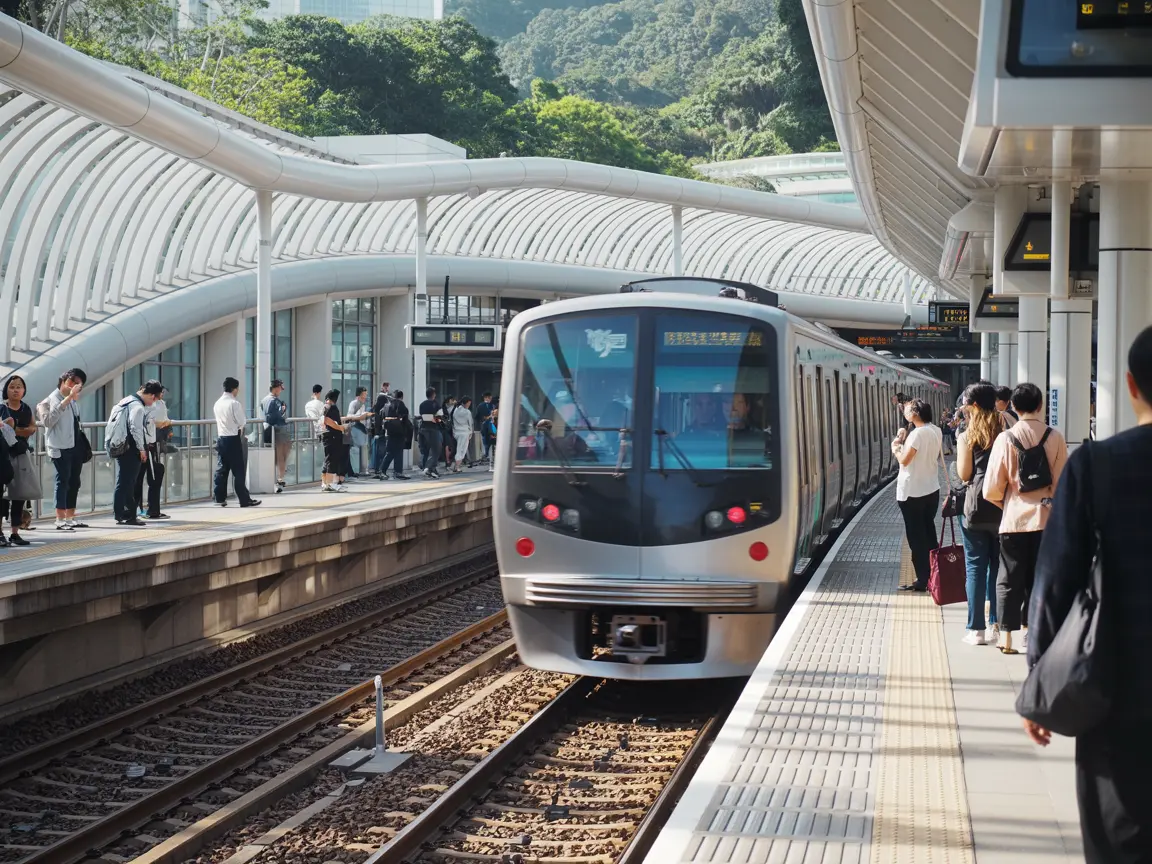
Exploring Hong Kong? Learn to Commute Like a Local
Hong Kong is one of Asia’s top travel destinations, famous for its vibrant city life, dazzling skyline, and scenic harbor views. It’s also home to one of the world’s most efficient public transport systems. But for first-time Filipino travelers, the wide range of optionsMTR, buses, trams, and ferries, can be a bit overwhelming at first.
Whether you’re off to Hong Kong Disneyland, Tsim Sha Tsui, or Victoria Peak, this guide will help you navigate like a pro with smart commuting tips para hindi ka mawala or mapagod. We’ll also share how Oona Travel Insurance can keep you protected from unexpected expenses such as medical emergencies, trip delays, or lost belongings so you can focus on enjoying your Hong Kong adventure worry-free.
According to the Hong Kong Transport Department, more than 90% of daily commuter trips are made through public transport, one of the highest rates in the world. And with over 200,000 Filipinos living and working in Hong Kong, you’ll definitely feel at home. In fact, Filipinos make up the city’s largest ethnic minority group, based on the 2021 Population Census.
Now that you know what to expect in Hong Kong, let’s explore the best ways to get around whether you’re looking for the fastest route, the cheapest fare, or the most scenic ride.
Hong Kong’s Public Transport System at a Glance
One of the best things about traveling to Hong Kong is how effortless it is to get around. Whether you’re heading from the airport to Tsim Sha Tsui, or hopping between shopping hubs in Mong Kok and Central, the city’s public transport system is fast, reliable, and safe for tourists. Even first-time visitors will find it easy to explore, thanks to clear English signage, color-coded MTR maps, and handy travel apps like Google Maps, Citymapper, or the MTR Mobile app.
And since every adventure comes with a few surprises, having travel insurance ensures you’re covered for delays, medical emergencies, or lost baggage while exploring Hong Kong with peace of mind.
Here’s a quick guide to the different transport options to help you move around like a local:
Mode of Transport
|
Description
|
Best For
|
|---|
MTR (Train)
|
Subway system with 10+ lines
|
Fast travel between tourist spots
|
Buses
|
Double-decker and standard buses
|
Scenic, budget-friendly rides
|
Trams
|
Slow-moving double-deckers on HK Island
|
Historic, Instagram-worthy trips
|
Ferries
|
Star Ferry across Victoria Harbour
|
Great views, relaxing cross-harbor route
|
Minibuses
|
Small vans with fixed routes
|
Hard-to-reach spots and local areas
|
Disclaimer: Routes, fares, and service hours may change depending on operating conditions or public holidays. Always check with official transit websites or mobile apps for real-time updates before traveling.
Before hopping on the MTR or bus, you’ll first need to make your way from Hong Kong International Airport (HKIA) to the city. Whether you’re traveling on a budget or want a faster, more comfortable ride, here are the best airport transfer options to kickstart your Hong Kong adventure.
Getting From the Airport to the City
First-time visitors often ask, “Paano ako makakarating sa city galing airport?” Don’t worry, Hong Kong International Airport (HKIA) is one of the most connected airports in Asia, offering plenty of ways to reach the city quickly and comfortably. Whether you’re a solo traveler, barkada, or family, there’s an option that fits your budget and travel style.
Option
|
Details
|
Best For
|
|---|
Airport Express
|
A high-speed train that takes you from HKIA to Hong Kong Station in just 24 minutes. Offers group discounts for 2–4 passengers.
|
Fastest and most comfortable
|
Cityflyer Buses (A21, A11, etc.)
|
Budget-friendly double-decker buses that stop at major hotels, shopping areas, and tourist spots.
|
Travelers on a budget
|
Taxis
|
Safe, metered, and available 24/7. Red, Green, and Blue taxis serve different areas of Hong Kong.
|
Door-to-door convenience
|
Ride-Hailing
|
Uber operates in Hong Kong, though coverage is more limited compared to taxis.
|
Travelers with lots of luggage or groups
|
Disclaimer: Taxi fares, payment options, and ride-hailing availability may change without prior notice. Always confirm with the driver before starting your trip, and check official transport websites or apps for the latest updates.
Travel Tip: Kung apat kayo, a group Airport Express ticket can be cheaper than buying four single tickets perfect for families or barkada trips! Prefer door-to-door convenience, lalo na kung may maleta? Taxis or ride-hailing services make city arrivals and late-night trips a lot easier.
Bonus Tip: For added peace of mind, make sure you have travel insurance before your flight. It covers flight delays, lost luggage, or medical emergencies, so you can start your Hong Kong adventure stress-free.
Taxis & Ride-Hailing in Hong Kong
After a long day of sightseeing or when you’re carrying heavy luggage, nothing beats the comfort of a door-to-door ride. This is where Hong Kong’s taxis and ride-hailing services come in, offering convenience, safety, and peace of mind for travelers.
Hong Kong taxis are known for being safe, metered, and reliable, making them a great option for Filipino travelers who value comfort and ease.
Taxi Color
|
Service Area
|
Best For
|
|---|
Red Taxis
|
Most urban areas, including Kowloon and Hong Kong Island
|
General travel within the city
|
Green Taxis
|
New Territories only
|
Exploring beyond the city center
|
Blue Taxis
|
Lantau Island (including airport, Ngong Ping, Disneyland area)
|
Airport transfers and Lantau trips
|
Disclaimer: Taxi fares, payment options, and ride-hailing availability may change without prior notice. Always confirm with the driver before starting your trip, and check official transport websites or apps for the latest updates.
Tip: Always pay in HKD cash or use your Octopus Card, as credit cards are rarely accepted. Uber also operates in Hong Kong, but availability may be limited and fares are typically higher than regular taxis.
And speaking of easy payments — whether you’re riding the MTR, bus, or Star Ferry, one card makes everything simpler. Meet the Octopus Card, your all-in-one tap-and-go travel buddy that keeps Hong Kong commuting fast and cash-free.
Get Yourself an Octopus Card
Kung ayaw mo ng hassle paying with cash or figuring out ticket machines, the Octopus Card is your best friend. This rechargeable smart card makes commuting and shopping in Hong Kong quick, convenient, and cash-free.
Originally designed for transport, the Octopus Card has become an essential part of daily life in Hong Kong. Today, it’s accepted at over 180,000 locations from public transport and convenience stores to restaurants, vending machines, and even small market stalls. Whether you’re riding the MTR, buying milk tea, or shopping for pasalubong, you can simply tap and go.
What is an Octopus Card?
The Octopus Card is a contactless stored-value card used for electronic payments across Hong Kong. It’s available both as a physical card and as a digital version on your smartphone or smartwatch, making it perfect for modern travelers who prefer a seamless experience.
Here’s a snapshot:
Feature
|
Description
|
|---|
Contactless Payment
|
Tap the card on a reader to instantly pay for fares or goods
|
Rechargeable
|
Add value at MTR stations, 7-Eleven, Circle K, and via the mobile app
|
Widespread Acceptance
|
Used for MTR, buses, trams, ferries, retail stores, fast food, and more
|
Over 180,000 Locations
|
One of the most accepted payment methods in Hong Kong
|
Disclaimer: Availability of services and acceptance points may vary depending on specific merchants, transit routes, or system updates. Always check with local providers or official sources for the most up-to-date information.
For Tourists: What You Need to Know
If you’re visiting Hong Kong as a tourist, the Octopus Card is your ultimate travel hack. It helps you breeze through train stations, skip ticket queues, and pay for meals or souvenirs, all without pulling out your wallet every few minutes. Whether you go for the physical card or the digital version, there’s an option that suits your style.
Option
|
Details
|
|---|
Tourist Octopus Card
|
Buy at Hong Kong International Airport, MTR customer service counters, or convenience stores
|
Physical Card
|
Includes a refundable deposit (HKD 50) and pre-loaded credit (HKD 100 or more)
|
Digital Octopus
|
Add it to your iPhone or Apple Watch via the “Octopus for Tourists” app
|
Souvenir Option
|
Keep the card as a travel memento or refund the balance before leaving
|
Disclaimer: Availability, pricing, and features of Tourist Octopus Cards may vary depending on purchase location or system updates. Check with official counters or the Octopus official website for the most current details before purchasing.
Note: The digital version supports Apple Wallet (iPhone 8 and above). Android users can check compatibility via NFC-supported devices.
Benefits of Using an Octopus Card
Traveling around Hong Kong becomes so much easier with an Octopus Card in hand. It’s more than just a transport pass, it’s your all-in-one travel companion for smooth, cashless adventures. Here’s why every Filipino traveler should get one:
Benefit
|
Why It Matters
|
|---|
Convenience
|
No need to carry coins or bills for fares and small purchases
|
Efficiency
|
Speeds up boarding and checkout lines with instant tap payments
|
Multi-Use
|
Works on all major transport and across thousands of retail locations
|
Cashless Travel
|
Lets you explore without constantly converting pesos to HKD
|
Disclaimer: Actual availability of Octopus card acceptance may vary depending on the merchant, transport provider, or device compatibility. Always check locally or with the Octopus official site for up-to-date coverage and usage guidelines.
Travel Tip: Going cashless isn’t just convenient, it’s safer, too. Protect your wallet and your trip with travel insurance, so you’re covered in case of lost cards, travel delays, or unexpected emergencies while exploring Hong Kong.
Cost Breakdown
Before you start tapping away, here’s a quick look at the cost and value of getting an Octopus Card, a small investment that pays off in convenience throughout your Hong Kong trip.
Detail
|
Info
|
|---|
Initial Cost
|
HKD 150 (HKD 100 usable value + HKD 50 deposit)
|
Reload Options
|
MTR stations, 7-Eleven, Circle K, via Octopus App
|
Refund
|
Both balance and deposit refundable upon return at MTR counters
|
Disclaimer: Prices and refund policies are subject to change based on Octopus Card’s official terms. Always confirm current fees and refund eligibility at the Octopus official website or at an MTR service counter.
Adding an Octopus Card to your Hong Kong travel checklist saves you time, money, and stress. Whether you go for the physical or digital version, it’s the smartest and most efficient way to get around, helping you pay like a local and skip the hassle of carrying cash.
Once your Octopus is set, make every tap count! Up next, we’ll share some budget hacks to stretch your HKD without cutting the fun on your Hong Kong adventure.
Budget Hacks for Pinoy Travelers
Want to explore Hong Kong without breaking the bank? These smart travel hacks will help you stretch your HKD further while still enjoying the city’s best sights and experiences:
Octopus Daily Cap: Once you hit a certain fare limit, additional rides may be cheaper or even free within the same day. Perfect for those hopping between attractions.
Airport Express Group Tickets: Traveling with friends or family? Get discounted bundles for 2–4 passengers to save more on your airport transfers.
Day Passes: Grab an MTR Tourist Day Pass for unlimited rides (except Airport Express). Ideal if you’re planning a full day of sightseeing across Hong Kong.
Ferries & Trams: Enjoy the view and save money. These scenic, low-cost rides are a great way to see the city on a budget — perfect for tipid travelers and photo lovers alike.
Even if you’re traveling tipid mode, remember: medical costs in Hong Kong can be pricey — around HKD 500+ just for a basic check-up. Having travel insurance ensures your hard-earned savings don’t vanish because of unexpected expenses like illness, lost baggage, or trip delays.
Traveling with kids or seniors? Hong Kong is generally accessible, but some transport modes (like the MTR and ferries) are more comfortable and family-friendly than others, so plan your routes ahead for a smoother experience.
Accessibility for Families & Seniors
Kung kasama mo ang pamilya — lalo na kung may bata, stroller, o matatandang kasama — good news, Hong Kong’s public transport system is among the most accessible and family-friendly in Asia. Many MTR stations, buses, and ferries have elevators, ramps, tactile paths, and priority seating, making it much easier to move around safely and comfortably.
Compared to many other Asian cities, Hong Kong does a great job at balancing efficiency with accessibility. Still, not all transport modes are equally convenient as some stations may have limited elevator access or steep walkways so it helps to know what to expect and plan your routes in advance.
With a bit of preparation (and patience), getting around with kids, strollers, or elderly companions can be just as enjoyable and stress-free as any other Hong Kong adventure.
Transport Mode
|
Accessibility Features
|
Best For
|
|---|
MTR (Train)
|
Elevators, wide entry gates, priority seating, tactile paths for the visually impaired
|
Families with strollers, seniors, wheelchair users
|
Buses
|
Many are low-floor with ramps; drivers are trained to assist passengers with mobility needs
|
Budget-friendly trips with seniors or kids
|
Trams
|
Historic double-deckers; stairs and narrow doors make them unfriendly for strollers/wheelchairs
|
Adults only, or travelers without mobility issues
|
Disclaimer: Accessibility features may vary depending on the specific bus route, station, or tram model. Always confirm with staff on-site or check official transport operator websites for the most updated accessibility information.
Travel Tip: Always check for the wheelchair logo when boarding trains, buses, or ferries — it indicates accessible routes and boarding points for passengers with mobility needs.
If a family member ever needs medical assistance while abroad, Oona Travel Insurance has you covered with emergency hospital and medical cost protection, so you can travel with peace of mind knowing help is just a call away.
And remember, good planning beats getting lost! These free travel apps give you real-time routes, station exits, and fare estimates, perfect for first-time visitors exploring Hong Kong on their own.
Plan Ahead: Best Apps & Tools
While Hong Kong’s public transport system is already one of the most tourist-friendly in Asia, using real-time travel apps makes getting around even easier, especially for first-time Filipino visitors. With the right tools, you can plan routes, check schedules, estimate fares, and avoid delays with just a few taps.
These apps are free, available in English, and some even work offline, making them perfect for travelers without a roaming plan or local SIM. No need for printed maps or guesswork as these mobile tools will help you get from Point A to Point B with confidence.
App
|
Features
|
Available On
|
|---|
MTR Mobile
|
Official MTR map, station info, live schedules, fare calculator, exit guides
|
Android / iOS
|
Google Maps
|
Door-to-door public transport directions, bus and ferry schedules, walking routes
|
Android / iOS
|
Citymapper
|
Optimizes fastest route using real-time data across MTR, bus, ferry, tram
|
Android / iOS
|
Tip: Enable location access on your phone for more accurate route suggestions and travel time estimates.
Which App Should You Use?
Need
|
Best App
|
Why
|
|---|
Fastest train exit for a mall?
|
MTR Mobile
|
Shows which MTR exit leads to malls or landmarks
|
Want to explore hidden gems?
|
Citymapper
|
Recommends lesser-known but efficient transport combos
|
Checking bus frequency live?
|
Google Maps
|
Updated live info on traffic and bus arrival times
|
Disclaimer: App features, availability, and accuracy may vary depending on your location settings, device compatibility, or internet access. Always double-check route changes and transport schedules via official operators or on-site updates.
Now that your routes are sorted, let’s talk about timing. Here’s how to avoid sardinas-level crowds by traveling during Hong Kong’s off-peak hours.
Beating the Crowd: When to Travel
Hong Kong is a city that never slows down and neither do its people. But if you’re visiting for leisure, the last thing you want is to be squeezed into an MTR train like sardinas during rush hour. A little timing strategy goes a long way, especially if you’re traveling with kids, seniors, or strollers.
Avoiding peak hours means shorter lines, faster rides, and a more relaxed sightseeing experience. Use this quick guide to plan your trips wisely:
Time
|
Crowd Level
|
Recommended?
|
|---|
7:30 AM –
9:30 AM
|
Very crowded
|
❌ No
Office rush, long queues, packed trains and buses
|
12:00 PM –
3:00 PM
|
Mellow
|
✅ Yes
Ideal for relaxed sightseeing and shopping
|
5:00 PM –
7:00 PM
|
Crowded again
|
❌ No
Evening rush, slower boarding times
|
After 8:00 PM
|
Less traffic
|
✅ Good for night strolls and scenic ferry rides
|
Disclaimer: Crowd levels may vary depending on the day of the week, public holidays, and special events. Use live apps like Google Maps or Citymapper to monitor congestion levels in real-time.
Travel Tip: If you can’t avoid peak hours, board the first or last train car (usually less crowded), or wait for the next bus if you’re not pressed for time.
Now that you’ve learned when to ride, it’s time to master how to ride. Here are quick Hong Kong public transport etiquette tips so you can blend in like a local.
Pinoy Etiquette Cheat Sheet for HK Transport
Part of enjoying your Hong Kong adventure is blending in and respecting local culture. Hong Kong commuters are known for being efficient, polite, and considerate, and they appreciate when visitors do the same.
So kung ayaw mong mapahiya or makatawag-pansin for the wrong reasons, follow these simple but important unspoken rules every traveler should know:
Etiquette Tip
|
Why It Matters
|
|---|
Stand on the right side of escalators
|
Left side is for people walking—blocking it can irritate locals
|
Offer your seat
|
Always give up your seat to the elderly, pregnant women, or disabled passengers
|
Keep quiet
|
Talking loudly, especially on the MTR, is considered rude
|
Line up properly
|
Queueing is strictly followed. No singitan or cutting the line
|
No eating or drinking
|
Eating inside MTR trains is prohibited and can get you fined
|
Mind your backpack
|
Take it off in crowded areas to avoid bumping into others
|
Give space at doors
|
Let passengers exit first before boarding the train or bus
|
Disclaimer: Etiquette expectations may vary slightly depending on location and crowd conditions. When in doubt, observe what locals do and follow their lead.
Cultural Tip: Hongkongers move quickly and quietly especially during rush hour. If you need to stop or slow down, stay to one side so you don’t block foot traffic.
Now that you know how to ride like a local, let’s match each Hong Kong attraction with the best transport option to get you there fast and easy.
Best Mode of Transport
Hindi mo na kailangan ng tour guide to explore Hong Kong like a pro! Thanks to its efficient and interconnected public transport system, you can easily reach almost every major attraction by train, bus, ferry, or even on foot.
The secret? Knowing which mode of transport is most convenient, scenic, or budget-friendly for your destination.
Here’s your quick cheat sheet for getting around Hong Kong’s top tourist spots:
Destination
|
Recommended Transport
|
Why?
|
|---|
Tsim Sha Tsui
|
MTR
|
Quick access via Tsim Sha Tsui or East TST stations; ideal for shopping and harbor views
|
Disneyland
|
MTR (Sunny Bay Line)
|
The Disneyland Resort Line has dedicated trains that take you straight to the park
|
Victoria Peak
|
Bus or Peak Tram
|
Take Bus 15 for a scenic uphill ride or the Peak Tram for a classic tourist experience
|
Mong Kok Markets
|
MTR + Walking
|
Get off at Mong Kok station and explore Ladies’ Market and Sneaker Street on foot
|
Central Pier
|
Ferry or MTR
|
Take the Star Ferry for great harbor views, or the MTR to Central Station for speed
|
Travel Tip: Download a Hong Kong attractions map (many are available inside MTR stations) so you can visually match tourist spots to their closest stations or ferry terminals.
Before you set out, let’s go over a few safety reminders to keep your trip smooth, especially during busy hours.
Safety & Emergency Tips
Hong Kong’s transport system is one of the safest and most reliable in Asia — but even the best systems aren’t accident-proof. Whether it’s a sudden delay, a misplaced bag, or a minor mishap, being prepared makes all the difference.
Keep these safety reminders in mind:
Mind the gap when boarding or exiting MTR trains.
Stay alert in crowded stations. Always keep your backpack zipped and valuables secure.
In case of emergency, dial 999 or approach MTR staff for immediate help.
Know your coverage as accidents can happen anywhere, from escalator slips to fainting during rush hour. With Oona Travel Insurance, you’re protected against hospital expenses, ambulance costs, and more.
Even in a world-class city, unexpected problems can arise; lost phones, sudden illness, or canceled tours. That’s where travel insurance steps in to protect your trip, your health, and your budget.
Why Travel Insurance is Essential
Hong Kong may be one of the safest and most efficient cities in Asia, but even the most organized trips can hit a few bumps. From a sudden illness to a lost phone in a crowded MTR, unexpected moments can happen to anyone.
That’s where Oona Travel Insurance comes in, giving you peace of mind while you explore abroad, knowing that your health, belongings, and finances are well-protected.
Here’s how Oona has your back, even in a city as fast-paced as Hong Kong:
1. Emergency Medical Coverage
Minor accidents or sudden illnesses can lead to hefty hospital bills abroad. With Oona, you won’t have to worry about paying everything out of pocket.
Coverage Type
|
Example Scenario
|
|---|
Emergency Treatment
|
You slip while getting off a tram and need stitches
|
Hospital Bills
|
You’re admitted for food poisoning after eating street food
|
Ambulance Services
|
You require emergency transport after fainting at an MRT station
|
Did you know? A simple hospital consultation in Hong Kong can cost HKD 500–1,200, excluding lab tests or medicine.
2. Trip Cancellation or Interruption
May biglaang family emergency or nagkasakit bago ang Disneyland trip? Don’t worry, Oona can help reimburse non-refundable expenses like flights, hotels, and tours.
Covered scenarios include:
3. Personal Liability Coverage
Accidentally knocked over someone’s luggage in a busy MTR station? Oona’s coverage protects you from third-party injury or property damage claims, saving you from potential legal or repair costs.
This is especially useful in Hong Kong, where legal processes are strict and fast-moving.
4. Lost or Stolen Items During Flight
Even before your adventure begins, things can go wrong, especially during flights. Lost luggage, damaged bags, or missing personal items can easily ruin the start of your trip. With Oona Travel Insurance, you’re protected from baggage loss, damage, or delay while in transit.
Covered Item
|
Example Scenario
|
|---|
Checked Baggage
|
Your luggage doesn’t arrive on time or is lost by the airline.
|
Personal Belongings
|
Items inside your checked bag are damaged during handling.
|
Delayed Baggage
|
You arrive in Hong Kong but your bags are delayed, and you need to buy essentials.
|
Disclaimer: Coverage may vary depending on your selected travel insurance plan. Always read your policy schedule and terms to understand limits, exclusions, and documentation requirements for filing claims.
Travel Tip: Always keep valuables like your passport, phone, and money in your carry-on bag, not in checked luggage.
With smart transport choices and solid protection, you’re set. Here’s a quick wrap-up before you book that next ride.
Conclusion
Hong Kong’s public transport system makes exploring the city easy, safe, and affordable even for first-time Pinoy travelers. With an Octopus Card in hand, reliable apps like Google Maps or Citymapper, and a few local etiquette tips, you’ll be navigating like a true Hongkonger in no time. From the neon lights of Tsim Sha Tsui to the panoramic views at Victoria Peak, every destination is just a quick ride away.
While Hong Kong commuting is smooth and tourist-friendly, travel mishaps can still happen, sometimes before you even land. Flight delays, lost baggage, or damaged luggage can quickly add stress and unexpected costs to your journey. That’s why having Oona Travel Insurance is just as essential as your passport.
For as low as ₱299, Oona protects you during your flight, covering baggage loss, damage, or delay, and giving you peace of mind before your Hong Kong adventure begins.
Ready na? Fly smart and worry-free with Oona Travel Insurance, so you can focus on the excitement, not the hassles.