Planning Your Korea Trip? Avoid These Travel Pitfalls
South Korea remains a dream destination for many Filipino travelers, whether you’re a certified K-drama addict, a street food explorer, or a nature lover chasing cherry blossoms and mountain views. In 2019 alone, over 516,000 Filipinos visited South Korea, and that number keeps climbing as visa-free options expand and K-culture fever shows no signs of slowing down.
Pero kahit gaano ka ka-excited, it’s easy to fall into a few common travel pitfalls. From visa slip-ups to culture shock, many Pinoy tourists find themselves unprepared the moment they land in Incheon.
The good news? Most of these travel hiccups are totally avoidable, especially if you plan ahead and protect yourself with reliable travel insurance. With Oona Travel Insurance by your side, even flight delays, lost baggage, or sudden medical emergencies won’t ruin your Korean adventure.
Before you finalize your itinerary, check out these helpful reads to make your trip smoother and stress-free:
Now, let’s dive into the 5 most common mistakes Filipino tourists make in South Korea, and how you can avoid them for a truly unforgettable trip.
1. Overlooking Visa Requirements and Conditions
South Korea might feel like an easy and familiar destination for Filipino tourists, thanks to its modern infrastructure, friendly locals, and booming K-culture. But it’s important to remember that strict visa rules still apply to Philippine passport holders.
One of the most common travel mistakes Filipinos make is assuming that they don’t need a visa, especially when visiting top destinations like Seoul, Busan, or Jeju Island. Others wait until the last minute to apply, only to face frustrating delays or visa denials due to missing documents or incomplete requirements.
While Jeju Island technically allows visa-free entry for certain nationalities, this doesn’t apply if you’re flying from the Philippines through Incheon or Gimpo airports, which is the usual route. That means for most Filipino travelers, a visa is required, no matter where in South Korea you plan to go.
Failing to plan ahead can lead to denied boarding, wasted bookings, and unnecessary gastos, all of which can easily derail your dream trip. Having travel insurance also helps, as it can cover some losses in case your trip needs to be postponed or canceled due to visa-related issues.
Korean Visa Requirement Summary for Filipino Travelers
Scenario
| Visa Required?
| Notes
|
|---|
Tourist trip to Seoul or Busan
| ✅ Yes
| Apply at least 1 month in advance
|
Visiting Jeju Island
(via direct international flight)
| ✅ Yes
| Direct flights from the Philippines to Jeju are rare
|
Transiting through Incheon/Gimpo to Jeju
| ✅ Yes
| Visa-free Jeju policy not applicable via Incheon/Gimpo
|
Holding valid visa from US, UK, Schengen, or Australia
| ⚠️ Maybe Not
| May qualify for Transit Visa Exemption; confirm details with embassy
|
Disclaimer: Simulated scenarios for illustrative purposes only. Always check the official Korean Embassy website for the latest visa rules.
Avoid This Mistake By:
Applying at least one month before your flight to allow time for delays, especially during peak travel seasons
Preparing all financial and employment documents, including:
Bank certificate and bank statements (3-6 months)
Certificate of Employment (COE)
Latest ITR (Income Tax Return)
Checking the latest visa requirements and announcements at the Embassy of Korea in the Philippines
Extra Tip:
If you already hold a valid visa from the US, UK, Schengen states, or Australia, you might qualify for Korea’s Transit Visa Exemption Program, but only if you meet specific conditions and routes. Always verify your eligibility before assuming you can enter visa-free.
So, your Korean visa is approved. Congrats! But your travel prep doesn’t stop there. Once you land, a new challenge begins: navigating Korean etiquette and cultural norms without accidentally offending anyone.
2. Ignoring Korean Etiquette and Social Norms
Filipinos are known for being warm, expressive, and sociable, traits that make us great travelers and fun companions. But in South Korea, where respect, formality, and subtlety shape everyday interactions, some of our typical Pinoy habits might be misunderstood. What feels harmless back home (like laughing loudly in public, being overly familiar with strangers, or casually interrupting a conversation) can come off as rude or “too forward” in Korean culture.
Many first-time Filipino tourists are caught off guard by how much Korean society values hierarchy and politeness. From dining and shopping to riding the subway, observing proper etiquette can completely change how locals treat and respond to you. Even small gestures, like bowing slightly, accepting items with two hands, or speaking softly in public, go a long way toward showing cultural respect.
While breaking these unspoken rules won’t get you fined, it can lead to awkward moments, disapproving looks, or even being avoided altogether. And no one wants to be that “pasaway tourist,” right? Understanding these norms makes your trip smoother, more enjoyable, and more memorable, and when paired with comprehensive travel insurance, you’re also protected from the unexpected while exploring confidently.
Everyday Korean Etiquette: Key Norms to Remember
Action
| Korean Norm
|
|---|
Giving or receiving items
| Always use two hands, especially when handling money, gifts, or ID
|
Bowing
| Give a slight bow when greeting, thanking, or saying goodbye
|
Public behavior
| Keep your voice down in trains, restaurants, and public spaces; avoid shouting or laughing loudly
|
Dining etiquette
| Wait for elders or the host to start eating first; no tipping required in restaurants
|
Shoes indoors
| Remove your shoes when entering traditional homes or certain accommodations
|
Seating hierarchy
| The seat farthest from the door (at the head of the table) is usually reserved for the eldest or most senior person
|
Disclaimer: These are general etiquette guidelines. Practices may vary depending on region or situation. When in doubt, observe how locals behave or ask politely.
Avoid This Mistake By:
- Observing locals especially in group settings, restaurants, or public transport. Mimic their tone, posture, and mannerisms.
- Researching basic cultural do’s and don’ts before your trip. You don’t need to be an expert, but knowing the basics earns respect.
- Learning a few Korean phrases like “Annyeonghaseyo” (hello), “Gamsahamnida” (thank you), and “Joesonghamnida” (sorry) to show effort.
Real Talk:
Filipino hospitality and Korean courtesy actually share the same foundation, respect for elders, strong family ties, and graciousness toward guests. The difference lies in how structured and formal Korean social norms can be. Showing effort to adapt doesn’t just help you blend in, it can open doors, spark genuine friendships, and make your Korean trip truly unforgettable.
But mastering etiquette is one thing, communicating your needs is another. So what happens when no one speaks English, and your Tagalog charm doesn’t quite translate? Let’s talk about that next.
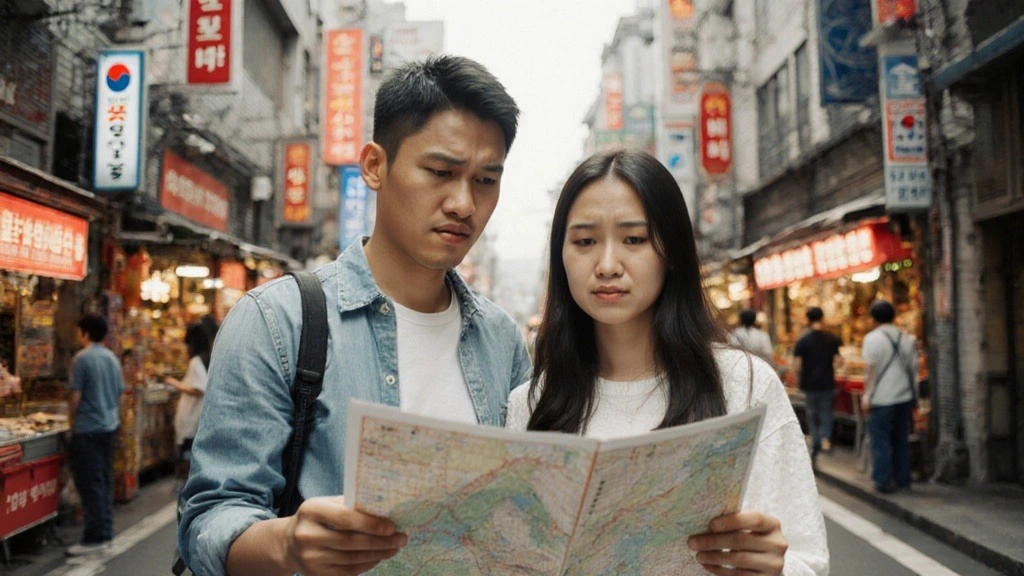
3. Relying Too Much on English
South Korea is one of Asia’s most modern and connected countries, making it easy to assume you can get by with just English. And while it’s true that signage in airports, train stations, and tourist hubs is often bilingual, once you step outside Seoul or Busan, things change quickly. Most locals, especially in smaller towns, markets, or mom-and-pop shops, aren’t fluent in English. And as much as we’d love to try, Tagalog won’t save you either (kahit pa minsan may OFW sa paligid 😅).
This language gap often catches Filipino travelers off guard. Asking for directions, ordering food, or explaining an emergency can suddenly feel like a guessing game. Many first-time visitors assume “basic English” will do, only to end up confused, lost, or misunderstood. And when you’re in a foreign country, that can be stressful, especially if something urgent happens and you need help right away. That’s when having reliable travel insurance becomes essential as it gives you access to 24/7 assistance and emergency support, even when language barriers get in the way.
Common Mistake:
Assuming English is widely spoken and understood by locals, even in smaller cities, restaurants, or transport hubs.
Avoid This Mistake By:
Tip
| Why It Helps
|
|---|
Download translation apps (Papago, Google Translate)
| Papago is specifically trained in Korean and works better than other apps in offline situations.
|
Learn 10–20 basic Korean phrases
| Key phrases like “얼마예요?” (How much?) or “화장실 어디예요?” (Where’s the restroom?) go a long way in daily interactions.
|
Carry a printed hotel card with Hangul address
| Essential for taxi rides—drivers often don’t speak English and can’t read Romanized addresses.
|
Use gesture-based communication if needed
| Pointing at menu items, using hand signals, and showing translations can help bridge the gap.
|
Disclaimer: These are general recommendations and may not apply in areas with high tourist traffic. However, preparation is essential especially if you’re exploring beyond Seoul.
Bonus Tip:
Learn a few polite Korean phrases before your trip. They’re easy to remember and appreciated by locals:
안녕하세요 (Annyeonghaseyo) – Hello
감사합니다 (Gamsahamnida) – Thank you
죄송합니다 (Joesonghamnida) – Sorry / Excuse me
괜찮아요 (Gwaenchanhayo) – It’s okay / I’m fine
도와주세요 (Dowajuseyo) – Please help me
Even if your pronunciation isn’t perfect, showing effort breaks the ice and shows respect.
Real Talk:
You don’t have to be fluent in Korean to enjoy your trip, but don’t get too complacent either. A little preparation, plus the right tools and protection, can save you from stressful mix-ups like hopping into the wrong cab, ordering the wrong dish, or struggling to ask for help in an emergency. Language may be a barrier, but your willingness to adapt (and your travel insurance safety net) is your best bridge.
Once you’ve mastered communication, get ready for your next surprise: South Korea’s extreme weather and walk-heavy culture. Here’s what many Pinoy travelers tend to overlook about it.
4. Underestimating the Weather and Walking
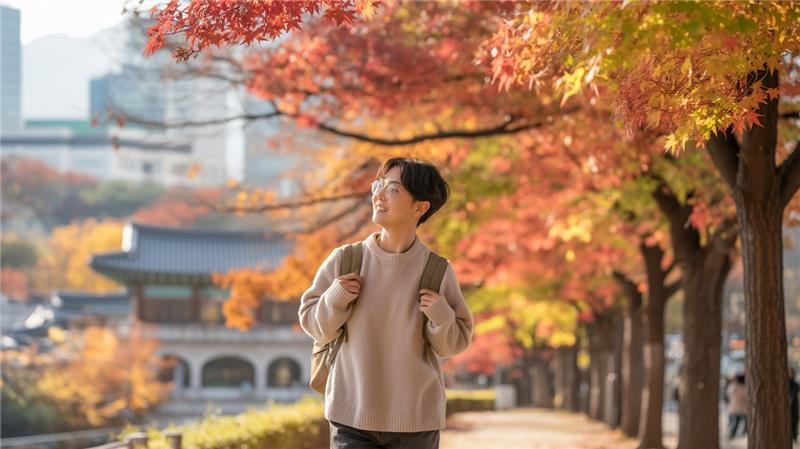
South Korea’s four distinct seasons are part of what makes it such a beautiful destination: cherry blossoms in spring, colorful leaves in autumn, and snowy streets in winter. But for many Filipinos used to the Philippines’ year-round tropical heat, the dramatic weather changes in Korea can be a real shock. Whether you’re facing the biting chill of a Korean winter or sweating through a summer heatwave, dressing like you’re in Manila is a common (and risky) mistake.
What’s more, South Korea is a walking country. Cities like Seoul, Busan, and Incheon are designed for commuters and pedestrians, with vast subway systems and scenic streets connecting every major spot. It’s not unusual to clock 10,000 to 15,000 steps a day while sightseeing, from palaces and shopping districts to subway transfers that stretch several blocks underground. Without proper clothing, hydration, or comfortable footwear, you’ll quickly go from excited explorer to sore, dehydrated, and exhausted traveler.
Ignoring Korea’s climate and walking culture doesn’t just affect comfort, it can impact your health, safety, and overall enjoyment. Sudden weather shifts or fatigue-related mishaps can also lead to unexpected expenses, so it’s smart to have travel insurance that covers medical needs or travel delays due to weather disruptions.
Common Mistake:
Wearing the wrong clothes for the season and forgetting how much walking is involved in a typical day out.
South Korea’s Seasonal Weather Guide for Tourists