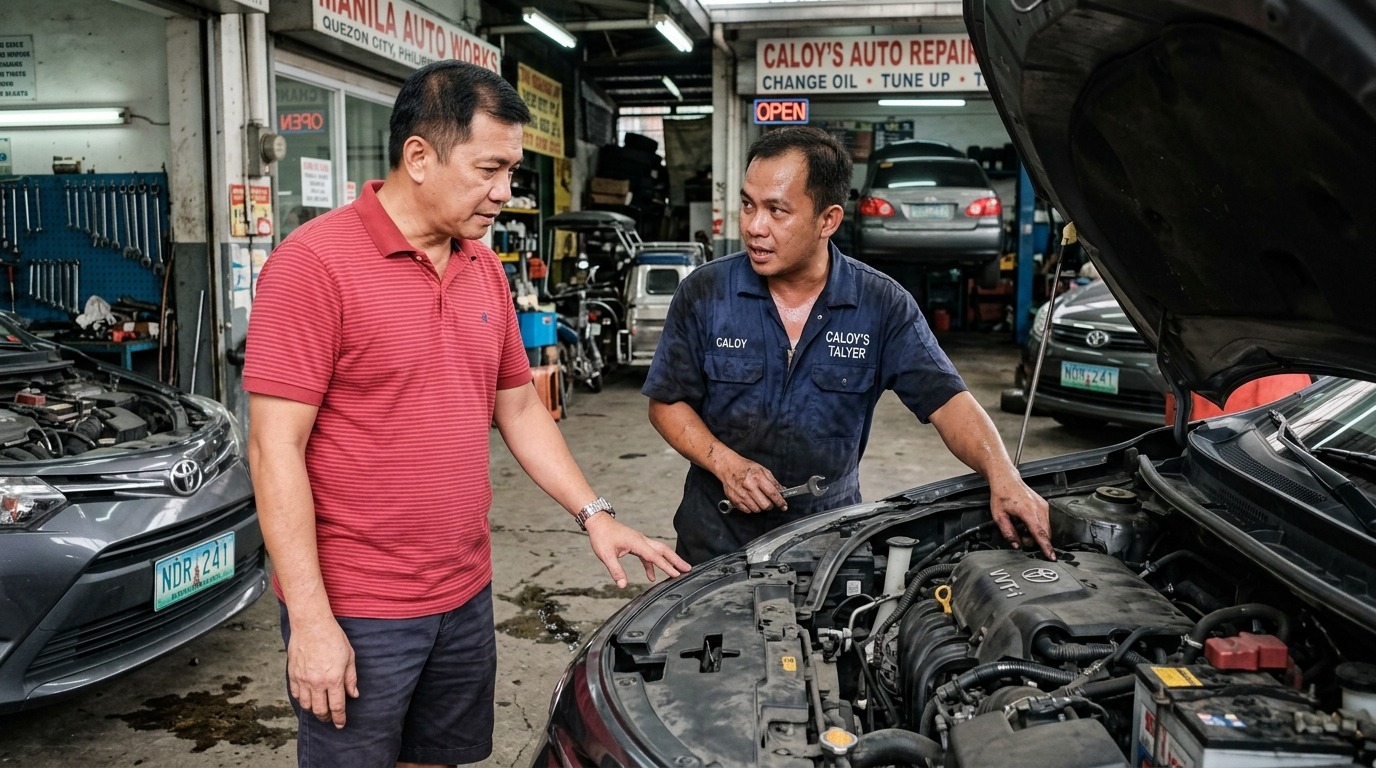
5 Common Car Repair Mistakes Filipino Drivers Should Avoid
Car repairs are part of owning a vehicle, especially in the Philippines where traffic, weather conditions, and daily use can take a toll on your car. However, not all repair expenses are unavoidable.
In many cases, higher costs and repeated issues come from simple but common mistakes. These can range from choosing the wrong repair shop to delaying necessary maintenance.
Understanding these mistakes can help you make better decisions, avoid unnecessary expenses, and keep your vehicle in good condition.
In this guide, we will cover:
The most common car repair mistakes
Why these mistakes can be costly
How to avoid them
Where insurance fits into the repair process
If you are currently looking for a reliable car repair provider, you can also explore Oona’s trusted auto repair shops at myoona.ph. Before looking at the most common mistakes, it is important to understand why these decisions can become costly over time.
Why Car Repair Mistakes Can Be Costly in the Philippines
Driving conditions in the Philippines make vehicles more prone to wear and damage. Heavy traffic, frequent flooding, and long-term vehicle use all contribute to more frequent repairs. The costs follow.
According to Motorist Philippines, a single repair visit typically costs between ₱1,000 and ₱5,000, and the average Filipino car owner spends around ₱20,000 to ₱30,000 per year on maintenance and minor repairs. For older vehicles or those driven in heavy urban traffic, that figure can climb even higher.
When combined with poor repair decisions, these factors can lead to:
With these risks in mind, let us look at the most common car repair mistakes and how they happen in real situations.
The 5 Most Common Car Repair Mistakes
Avoiding common mistakes is one of the easiest ways to reduce these risks.
Understanding these common mistakes can help you avoid unnecessary costs, delays, and poor repair outcomes. Many of these issues are preventable with the right approach.
1. Choosing the Cheapest Repair Option
It is natural to want to save money, especially when repair costs are unexpected. However, focusing only on price without checking quality can lead to more problems.
Low-cost repairs may involve
These shortcuts often result in repeat repairs, which can cost more over time than choosing a reliable shop from the start. If you are unsure how to evaluate your options, you can read our guide on choosing the right car workshop for your repair needs. While cost is often the first factor drivers consider, it is not the only one that can lead to poor repair decisions.
2. Ignoring Reviews and Recommendations
Some drivers choose a repair shop based only on proximity or availability. However, reviews and recommendations can provide valuable insights into actual service quality.
They often reveal
How transparent the shop is with pricing
Whether repairs are done properly the first time
How long repairs typically take
Skipping this step increases the risk of dealing with delays, poor workmanship, or unexpected costs. Even when a shop seems reliable, lack of proper documentation can still create problems during the repair process.
3. Not Asking for a Written Estimate
Proceeding with repairs without a written estimate can lead to misunderstandings and surprise charges.
A proper estimate should clearly outline
Without documentation, it becomes difficult to verify what was agreed upon or question the final bill. Beyond pricing and documentation, timing also plays a critical role in preventing costly repairs.
4. Delaying Repairs or Maintenance
Minor issues may seem manageable at first, but delaying repairs can cause problems to worsen.
For example
Worn brake pads can damage rotors
Small leaks can affect engine performance
Electrical issues can impact multiple systems
Addressing problems early is often more cost-effective than dealing with major repairs later. Regular maintenance plays a key role in preventing these issues from escalating. You can read our tips on vehicle maintenance and upkeep. In addition to maintenance decisions, financial preparedness can also impact how repairs are handled.
5. Not Having Car Insurance Before Repairs
Many drivers only think about insurance after something goes wrong. Without coverage, you may face the full cost of repairs on your own.
This can mean
Paying out of pocket for major repairs
Limited access to accredited repair shops
Longer and more complicated repair processes
Having comprehensive car insurance helps provide financial protection and access to more structured and reliable repair support. To better understand how these mistakes affect your vehicle and expenses over time, here is a quick summary.
Summary of Common Car Repair Mistakes & Their Impacts Over Time
Mistake
|
What Happens
|
Impact
|
Better Approach
|
|---|
Choosing the Cheapest Option
|
Use of low-quality parts or inexperienced labor
|
Repeat repairs and higher long-term costs
|
Balance cost with quality and reliability
|
Ignoring
Reviews
|
Lack of insight into actual service quality
|
Higher risk of poor workmanship
|
Check consistent feedback
before choosing
|
No
Written Estimate
|
Unclear scope
and pricing
|
Unexpected or
inflated charges
|
Always request a detailed estimate
|
Delaying
Repairs
|
Minor issues worsen over time
|
More extensive and costly damage
|
Address issues early
|
No
Car Insurance
|
No financial or repair support
|
High out-of-pocket expenses and
limited options
|
Secure coverage
before incidents
|
Disclaimer: Information in this table is for general reference only. Repair outcomes, costs, and service experiences may vary depending on the vehicle, repair provider, and specific issue. Always verify details directly with your chosen repair shop and insurance provider.
If you are currently comparing repair options, it also helps to understand how to find a trusted car repair shop near you.
How to Avoid These Common Car Repair Mistakes
Avoiding these common mistakes comes down to making more informed and proactive decisions. In many cases, a few simple steps can help you reduce risk, control costs, and ensure better repair outcomes. Once you are aware of these common pitfalls, the next step is knowing how to avoid them in practice.
Practical Steps You Can Take
Action
|
What It Involves
|
Why It Matters
|
What You Gain
|
|---|
Compare At Least Two Repair Shops
|
Request multiple estimates and review service offerings
|
Helps you understand fair pricing and service quality
|
Better value and reduced risk of overpaying
|
Ask Clear Questions Before Approving Work
|
Clarify scope, parts to be used, timeline, and warranty
|
Prevents misunderstandings and unexpected charges
|
More control over the repair process
|
Keep Up With Regular Car Maintenance
|
Follow basic upkeep such as oil changes, brake checks, and inspections
|
Reduces the likelihood of major repairs
|
Lower long-term costs and improved vehicle performance
|
Review Your Insurance Coverage
|
Understand what your policy includes and which repair shops are accredited
|
Ensures you are prepared before an incident happens
|
Faster, smoother, and more predictable repair experience
|
Disclaimer: Information in this table is for general reference only. Actions, outcomes, and benefits may vary depending on the vehicle condition, repair provider, and insurance policy. Always verify details with your chosen repair shop and insurer.
While these steps can help you make better decisions, having additional support can further simplify the repair process.
Where Do Car Insurance Fits In
Car insurance is not just for accidents. It plays an important role in making the repair process more manageable, especially when dealing with unexpected damage or costly repairs.
How Car Insurance Supports You During Repairs
Access to accredited repair shops
Insurers typically work with vetted repair partners, helping ensure consistent service quality and reducing the guesswork when choosing a provider
Reduced out-of-pocket expenses
Depending on your coverage, insurance can help cover repair costs, easing the financial burden
Streamlined claims and approvals
Accredited shops are familiar with insurer processes, which can help speed up approvals and repairs
This added structure can make the entire experience more predictable and less stressful. This is where choosing the right digital car insurance provider becomes especially important.
Oona Advantage: Smarter Protection for Everyday Drivers
With Oona Car Insurance, the goal is not just coverage, but a smoother and more reliable repair experience.
In a study conducted by Oona, Filipino drivers highlighted transparency, faster claims processing, and access to trusted repair shops as some of the most important factors when dealing with car repairs and insurance.
Oona is designed to support these needs by offering
With the right support in place, managing car repairs becomes less reactive and more predictable.
Practical Insight
Car repair mistakes are often preventable. With the right approach, from choosing the right shop to having proper insurance coverage, you can avoid unnecessary costs and delays.
Having support from a trusted digital car insurance provider like Oona can help you move from reactive decisions to a more confident and prepared approach to car ownership. Ultimately, avoiding these mistakes comes down to making informed decisions and having the right support when it matters most.
Make Smarter Repair Decisions with the Right Support
Car repairs do not always have to be expensive or stressful. In many cases, the biggest costs come from avoidable mistakes such as choosing the wrong repair shop, delaying necessary fixes, or not having the right coverage in place.
By being more mindful of these common pitfalls, you can better protect your vehicle, manage your expenses, and avoid unnecessary complications. Small decisions, such as asking the right questions or comparing your options, can lead to more reliable repair outcomes over time.
Having the right support also plays an important role. Access to trusted auto repair partners and proper car insurance coverage can help make the process more manageable, especially during unexpected situations.