Why Car Insurance Matters for Filipino Drivers
The Philippines faces high road traffic accident rates, as highlighted by reports from the United Nations Philippines Road Safety Report. Data from the Land Transportation Office (LTO) indicates millions of registered vehicles contributing to significant injuries and property damage, necessitating car insurance as a crucial financial safeguard.
The Insurance Commission of the Philippines regulates motor vehicle insurance, setting standards for coverage terms and claims. Compulsory Third Party Liability (CTPL) insurance is legally required for LTO vehicle registration and annual renewal, a measure enforced to ensure safety compliance.
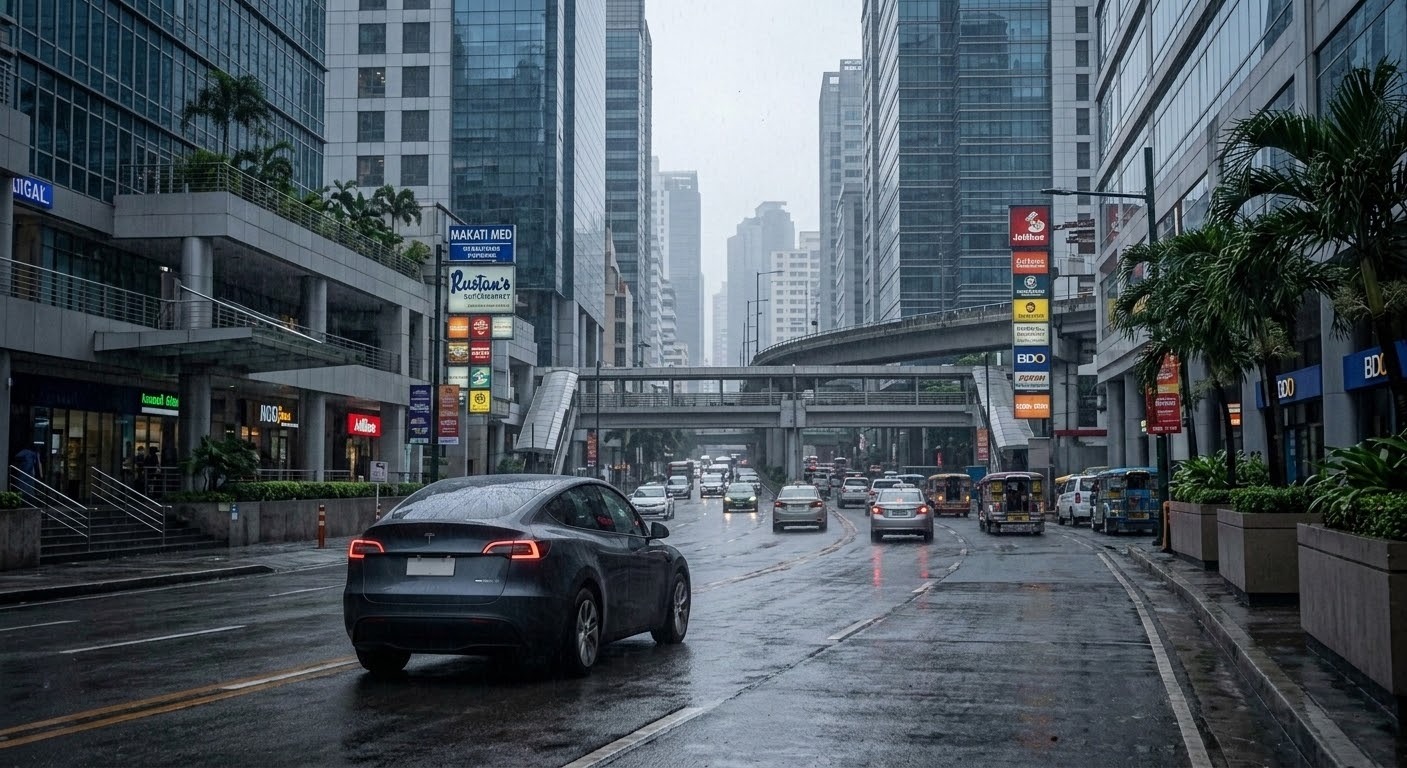
Metro Manila records thousands of annual road incidents, with a recent ABS-CBN News Report on MMARAS Data indicating over one million crashes over a decade. These figures highlight that comprehensive vehicle insurance is a practical necessity for covering repair costs and liability in high-risk areas. Understanding the risks on Philippine roads also makes it easier to see why different types of car insurance exist.
Types of Car Insurance
Car insurance in the Philippines generally falls into two main types: Compulsory Third Party Liability insurance and comprehensive car insurance. CTPL is required for vehicle registration, while comprehensive car insurance is optional but offers wider protection for your vehicle, passengers, and third-party liabilities.
1. Compulsory Third Party Liability Insurance
Compulsory Third Party Liability, or CTPL insurance, is the minimum car insurance required by law for registered motor vehicles in the Philippines. It is usually secured during LTO vehicle registration or renewal from an Insurance Commission-accredited provider.
CTPL covers the vehicle owner’s legal liability if a third party suffers bodily injury or death due to an accident involving the insured vehicle. However, CTPL has limited coverage. It does not cover:
Damage to your own vehicle
Damage to another person’s vehicle or property
Injuries to the driver or vehicle owner
Theft, flooding, or other damage to the insured vehicle
CTPL coverage is typically valid for one year and must be renewed together with the vehicle registration.
While CTPL satisfies the legal minimum requirement, many drivers look for broader financial protection beyond basic liability coverage.
2. Comprehensive Car Insurance
Comprehensive car insurance provides broader protection than CTPL. While CTPL is mandatory, comprehensive car insurance is optional unless required by a bank, financing company, or lease agreement.
In the Philippines, a comprehensive car insurance policy may include the following coverages:
Own damage. Covers repair costs if your insured vehicle is damaged due to collision, overturning, or other covered accidental causes.
Theft. Covers partial or total loss of the insured vehicle due to theft or carnapping, subject to the policy terms and exclusions.
Acts of nature. Covers damage caused by covered natural events such as typhoons, floods, earthquakes, volcanic eruptions, and similar risks. Drivers in flood-prone areas may also want to understand how acts of nature coverage works in car insurance.
Third party property damage. Helps pay for damage caused to another person’s vehicle or property in a covered accident.
Third party bodily injury and death. Provides additional liability protection beyond the minimum CTPL coverage, depending on the policy limits.
Personal accident cover. May provide compensation for accidental death or disability of the driver and passengers, depending on the policy.
Beyond standard comprehensive coverage, some drivers also consider additional protection based on their vehicle use and driving habits.
Optional Add-On Coverages
Some insurers offer optional add-ons that can strengthen a comprehensive car insurance policy. Common examples include roadside assistance, loss of use, personal effects coverage, and higher bodily injury liability limits.
These add-ons may be worth considering based on your vehicle’s value, driving habits, location, and daily route. With several coverage options available, many vehicle owners ask whether CTPL alone is enough protection.
CTPL vs Comprehensive Car Insurance: Which One Do You Need?
CTPL is required to legally register and renew your vehicle in the Philippines. Comprehensive car insurance is not always required, but it gives wider financial protection for risks that CTPL does not cover, including damage to your own car, theft, natural disasters, and third-party property damage.
Once you understand the difference between coverage types, the next question is usually how car insurance premiums are calculated.
How Car Insurance Premiums Are Calculated in the Philippines
Car insurance premiums in the Philippines are determined by a combination of factors assessed by the insurer. Understanding these factors helps you anticipate costs and identify ways to manage your premium.
1. Vehicle Value and Age
The insured value of your vehicle is the primary driver of your premium. Older vehicles with lower market values generally attract lower premiums, while newer or higher-value vehicles cost more to insure. Most insurers will assess the current market value or agree upon a declared value for the insured sum.
2. Vehicle Type and Use
Private passenger cars are typically rated differently from commercial vehicles or those used for hire. A vehicle used solely for personal commuting may attract a lower rate than one used for business purposes.
3. Driving History and Location
Some insurers consider the policyholder's driving record and the primary location where the vehicle is kept and used. Vehicles primarily used in Metro Manila, which has higher traffic density and incident rates, may attract different rates compared to vehicles in provincial areas.
4. Coverage Type and Deductibles
Choosing a comprehensive package with lower deductibles (the amount you pay out of pocket per claim) generally results in higher premiums. Opting for higher deductibles reduces your premium but means you absorb more of the cost in the event of a claim.
While actual premiums vary by insurer, the table below provides a general estimate of comprehensive car insurance costs in the Philippines.
Estimated Annual Premium Range for Comprehensive Car Insurance in the Philippines
Comprehensive car insurance premiums in the Philippines vary depending on the vehicle’s fair market value, year model, vehicle type, coverage limits, add-ons, and the insurer’s underwriting guidelines. The table below gives a general reference range only.
Vehicle Type
|
Estimated Vehicle Value
|
Estimated Annual Premium Range
|
|---|
Entry-Level Sedan
or Hatchback
|
₱500,000 to ₱800,000
|
₱12,000 to ₱20,000
|
Mid-Range Sedan
or Crossover
|
₱800,000 to ₱1,500,000
|
₱18,000 to ₱35,000
|
SUV, Pickup,
or MPV
|
₱1,500,000 to ₱2,500,000
|
₱30,000 to ₱55,000
|
Premium
or Luxury Vehicle
|
₱2,500,000 and above
|
₱55,000 and above
|
Disclaimer: These figures are estimates for general reference only. Actual premiums may vary depending on the insurance provider, vehicle type, fair market value, location, driver profile, coverage limits, deductibles, selected add-ons, claims history, and other underwriting factors. Final pricing is subject to quotation and approval by the insurer.
Despite the growing availability of car insurance, many misconceptions about coverage and claims still exist among Filipino drivers.
Common Misunderstandings About Car Insurance in the Philippines
CTPL Is Enough Protection
Many Filipino drivers assume that having CTPL is sufficient. It is not. CTPL only covers bodily injury to third parties. It does not cover damage to your own vehicle, damage to another person's property, or any expenses you personally incur as a driver. If you are involved in an accident where your vehicle is damaged or stolen, CTPL provides no compensation.
Comprehensive Insurance Covers Everything
Comprehensive insurance does not cover every possible scenario. Exclusions typically include normal wear and tear, mechanical or electrical breakdown (not caused by an accident), damage due to driving under the influence of alcohol or drugs, and use of the vehicle for purposes not declared in the policy. Always read the policy schedule and exclusions carefully before purchasing.
The Cheapest Policy Is the Best Value
Premium price is only one factor in evaluating an insurance product. The claims process, the insurer's financial stability, the network of accredited repair shops, and the responsiveness of the customer service team are equally important. A policy with a slightly higher premium but a faster and more straightforward claims process may deliver better value over the life of the coverage.
Understanding your policy is important, especially when it comes time to file a claim after an accident.
How to File a Car Insurance Claim in the Philippines
After a road accident, your first priority should be safety. Move to a secure area if possible, check if anyone needs medical assistance, and contact the proper authorities when needed. Before filing a claim, document the incident carefully. Take clear photos of the vehicle damage, accident scene, road conditions, license plates, and other relevant details. Exchange information with the other driver, including name, contact number, vehicle registration details, and insurance information.
Most insurers will require key documents such as a completed claim form, policy document, driver’s license, vehicle OR/CR, police report or traffic accident report, photos of the damage, and a repair estimate from an accredited repair shop. Once submitted, the insurer will review the claim and advise whether repairs can proceed through an accredited repair shop or if reimbursement applies.
For a more detailed step-by-step guide, read our full article on how to file a car insurance claim in the Philippines. Aside from knowing how claims work, drivers should also review their insurance coverage carefully before annual renewal.
What Filipino Drivers Should Know Before Renewing Car Insurance
Annual renewal is a good time to review whether your current car insurance still fits your needs. Before renewing, check your vehicle’s current market value, coverage limits, deductibles, and add-ons. If your car’s value has declined, your premium may also need to be reassessed. You should also consider changes in your driving habits, such as driving less often, working from home, or parking in a lower-risk area.
It is also helpful to compare quotes from different insurers. Premiums, coverage inclusions, claims processes, and optional benefits can vary, so reviewing your options may help you find better value.
When comparing providers, do not focus on price alone. Review the scope of coverage, available add-ons, repair shop network, claims support, and policy terms carefully. Comparing policies before renewal may also help you find coverage that better matches your vehicle, budget, and protection needs.
Consider Oona Car Insurance
Oona Car Insurance helps Filipino drivers get comprehensive protection for their vehicle, with coverage options that may include own damage, theft, acts of nature, third-party liability, and personal accident benefits, subject to policy terms.
Before you renew, compare your current car insurance policy with Oona and see if it gives you the coverage you need at a competitive price. Choosing the right car insurance becomes easier when you understand both your legal obligations and your actual financial risks on the road.
Choose Car Insurance That Protects Beyond Compliance
Car insurance should do more than help you meet LTO registration requirements. While CTPL is mandatory, comprehensive car insurance gives Filipino drivers broader protection against repair costs, theft, third-party property damage, and covered natural disasters.
Before buying or renewing your policy, compare coverage, exclusions, deductibles, claims support, and overall value. For protection that fits your vehicle and driving needs, explore Oona Car Insurance and get a free quote online.