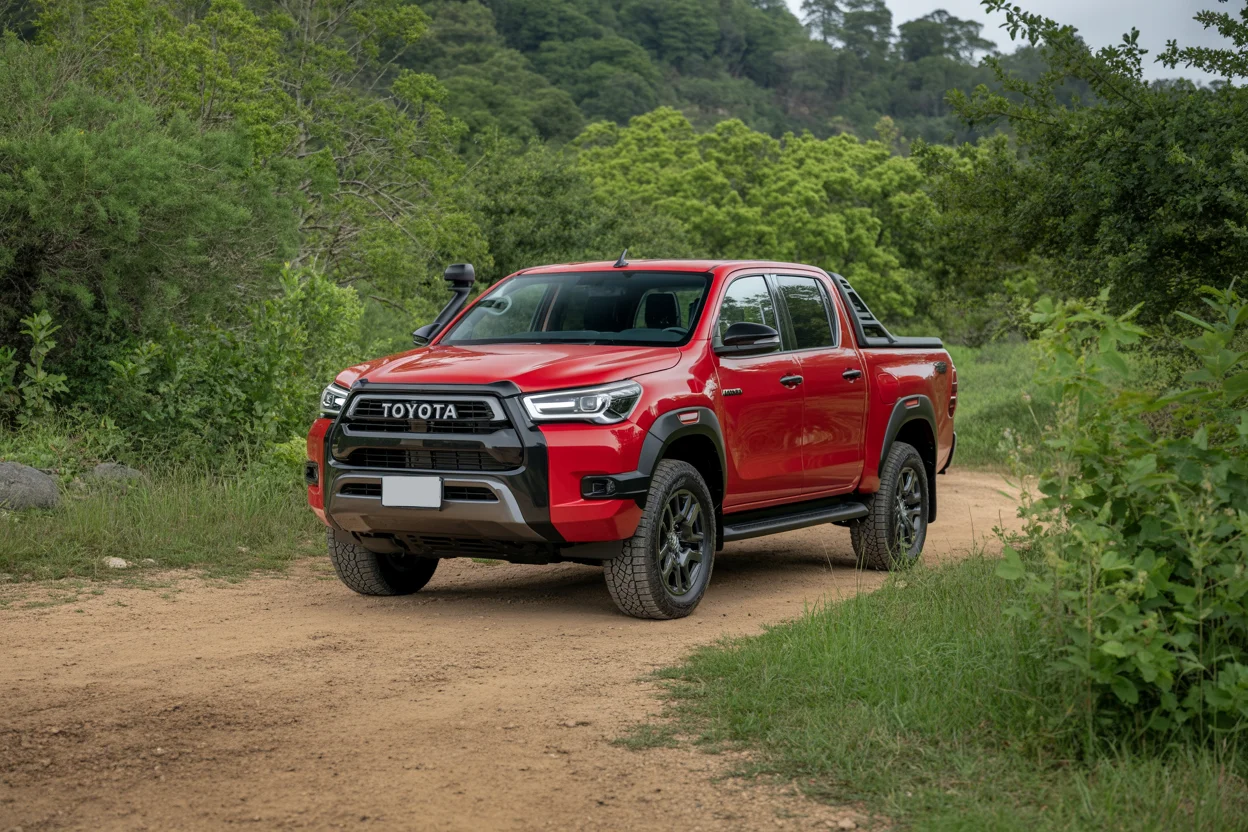
Choosing the Right Vehicle for Small Business Use
Whether it’s moving goods, carrying tools, transporting staff, or even serving customers directly, business vehicles often work harder and longer than private cars, operating daily under demanding conditions.
Unlike personal vehicles, commercial vehicles face heavier loads, higher mileage, and stricter consequences for downtime. Selecting the right vehicle is essential to maintain smooth operations, control operating costs, and protect your business income. Factors like reliability, fuel efficiency, cargo capacity, and insurance coverage should guide your decision to ensure your investment truly supports your business.
But choosing the right vehicle is only the first step. Regular maintenance and preventive care are crucial to keeping your business running without costly interruptions. Scheduled servicing, routine checks, and timely repairs help minimize breakdowns, reduce downtime, and safeguard your income—especially for vehicles that are in use every day. For detailed guidance, check out our article on vehicle maintenance and upkeep tips for Filipino drivers, which highlights the essential checks to keep your business vehicles road-ready.
Still figuring out which vehicle fits your needs and lifestyle? Start with our guide “What Car Should I Buy Based on My Lifestyle” to help identify the right choice for your specific business and personal requirements.
Who Is This Guide For
This guide is tailored for anyone in the Philippines who depends on a vehicle to run their business or earn a living. Specifically, it’s ideal for:
Small business owners and entrepreneurs looking to maximize efficiency and minimize operating costs
Freelancers and self-employed professionals who rely on their vehicle to deliver services or reach clients
Delivery, service, and trade-based businesses that transport goods, tools, or equipment daily
Owners who rely on their vehicle for daily income, where downtime directly affects earnings
If your vehicle plays a critical role in generating income and keeping your business moving, this guide is made for you. It will help you choose a reliable, cost-effective, and business-ready vehicle that fits your unique needs.
What Small Business Owners Should Prioritize
For small business owners in the Philippines, a vehicle is more than just transportation—it’s a vital working asset. The right vehicle must support daily operations, minimize downtime, and keep costs predictable. Prioritizing key factors when choosing a vehicle helps protect income, maintain business continuity, and reduce unexpected expenses.
Priority
| Why It Matters for Business Use
|
|---|
Reliability
| Breakdowns directly affect income and operations
|
Payload and cargo space
| Goods, tools, and equipment must be transported safely
|
Durability
| Vehicles face frequent use and heavier loads
|
Operating costs
| Fuel, maintenance, and insurance affect margins
|
Insurance suitability
| Coverage must match declared business use
|
Selecting a vehicle that meets these priorities helps small business owners maintain smooth daily operations, avoid costly disruptions, and protect the livelihood their vehicle supports.
Best Vehicle Types for Small Business Owners
Different types of small businesses place different demands on a vehicle. A delivery-focused operation may require secure cargo space, while a service-based business may prioritize passenger capacity and fuel efficiency. Choosing the right vehicle type helps ensure that daily operations run smoothly, costs stay predictable, and insurance coverage remains appropriate for how the vehicle is actually used.
Vans
Vans are a popular choice for small business owners who regularly transport goods, packages, or equipment. With enclosed cargo areas and flexible loading space, vans are especially well-suited for delivery services, logistics, catering, and mobile businesses that require protection for their cargo.
Why Vans Work Well
| Business Benefit
|
|---|
Enclosed cargo area
| Protects goods from weather and theft
|
Flat loading floor
| Easier loading and unloading
|
High cargo capacity
| Suitable for deliveries and logistics
|
Practical fuel use
| Efficient for frequent routes
|
Disclaimer: Information in this table is for general reference only. Cargo capacity and features vary by model and variant.
By offering a balance of capacity, security, and operational efficiency, vans help small business owners maintain reliable service while keeping transportation costs predictable.
Pickup Trucks
Pickup trucks are well-suited for small businesses that transport heavier or bulkier items and operate across mixed road conditions. They are commonly used by construction, agriculture, repair, and trade-based businesses that require strength, durability, and flexibility from their vehicles.
Designed to handle demanding workloads, pickup trucks can support daily operations in both urban and provincial settings, making them a reliable choice for entrepreneurs whose work extends beyond paved city roads.
Why Pickups Work Well
| Business Benefit
|
|---|
Strong payload capacity
| Suitable for tools and construction materials
|
Durable build
| Designed for demanding use
|
Elevated ride height
| Better handling on uneven roads
|
Flexible cargo bed
| Versatile loading options
|
Disclaimer: This table provides general guidance only. Performance and suitability vary by model and declared usage.
With their combination of strength and versatility, pickup trucks help small business owners transport materials efficiently while maintaining reliability across varied work environments.
Utility Sedans and MPVs
Some service-based businesses benefit from vehicles that balance passenger transport with light cargo use. Utility sedans and MPVs are ideal for professionals who regularly move service teams, visit clients, or carry smaller equipment while keeping operating costs manageable.
These vehicle types are commonly chosen by consultants, sales teams, technicians, and service providers who need flexibility without the higher fuel and maintenance costs of larger commercial vehicles.
Why These Work Well
| Business Benefit
|
|---|
Passenger capacity
| Suitable for service teams
|
Moderate operating costs
| Easier on fuel and maintenance
|
Multi-purpose layout
| Flexible daily use
|
Easier insurance classification
| Often insured under private or
light business use
|
Disclaimer: Vehicle suitability depends on business type and usage.
Recommended Vehicles for Small Business Owners
The following models are commonly chosen by Filipino entrepreneurs due to their proven reliability, wide parts availability, and familiarity among insurers. These factors help ensure smoother ownership and fewer surprises when it comes to maintenance and insurance coverage.
Popular Vans for Business Use
Vans are a staple for delivery-focused and logistics-driven businesses due to their secure cargo space and high load capacity. They are frequently used for food delivery, courier services, event logistics, and mobile operations.
Model
| Why It Suits Business Use
| Insurance Considerations
|
|---|
Toyota
Hiace
| High cargo capacity and durability
| Often insured under commercial auto policies
|
Nissan Urvan
| Reliable for deliveries and transport
| Coverage depends on declared business use
|
Hyundai Staria
| Modern features with cargo flexibility
| Higher insured value may affect premiums
|
Disclaimer: Insurance considerations are general observations. Coverage and premiums vary by insurer and declared usage.
Pickup Trucks for Business Owners
Pickup trucks are ideal for businesses that handle heavy materials, tools, or equipment and operate across varied road conditions. Their durability and elevated ground clearance make them suitable for both urban and provincial operations.
Model
| Why It Suits Business Use
| Insurance Considerations
|
|---|
Toyota
Hilux
| Proven reliability for heavy-duty use
| Often insured under commercial use
|
Isuzu
D-Max
| Known for engine durability
| Coverage depends on private vs business declaration
|
Ford
Ranger
| Comfortable for long working hours
| Premiums may reflect size and replacement cost
|
Disclaimer: This table is for general reference only. Insurance pricing and classification depend on insurer underwriting and declared usage.
Sedans and MPVs for Service-Based Businesses
Sedans and MPVs remain popular among service-oriented businesses due to their comfort, fuel efficiency, and ease of use. They are especially suitable for sales teams, consultants, technicians, and professionals who make frequent trips throughout the day.
Model
| Why It Suits Business Use
| Insurance Considerations
|
|---|
Toyota
Avanza
| Flexible seating for
teams and light cargo
| Often insured as private family or light business use
|
Mitsubishi Xpander
| Comfortable for
frequent passenger trips
| Higher insured value may affect premiums
|
Toyota
Vios
| Fuel-efficient for
service calls
| Easier insurance classification for light business use
|
Disclaimer: Insurance terms vary based on declared usage and vehicle configuration.
Insurance Considerations for Small Business Owners
Insurance plays a crucial role in protecting not only the vehicle itself, but also the income and operations that depend on it. For small business owners, a vehicle is often on the road daily, carrying goods, tools, or equipment, significantly increasing exposure to accidents, damage, and unexpected disruptions.
Unlike private vehicles, business-use vehicles face higher risk due to frequent driving, heavier loads, and tighter schedules. Without appropriate insurance coverage, even a minor incident can result in costly repairs, delayed operations, or lost income.
Choosing insurance that accurately reflects how your vehicle is used helps ensure that claims are processed smoothly and coverage remains valid when you need it most.
Business Reality
| Why Insurance Coverage Matters
|
|---|
Daily vehicle use
| Higher exposure to accidents and wear
|
Cargo or equipment
| Increased financial risk if damaged or lost
|
Business income reliance
| Downtime directly affects earnings
|
Commercial use
| Requires accurate declaration for valid coverage
|
Disclaimer: Coverage availability and requirements vary by insurer. Always declare actual vehicle use when purchasing insurance.
Proper insurance coverage helps small business owners manage risk, protect cash flow, and maintain continuity even when unexpected events occur. Declaring the vehicle’s actual use—whether commercial, light business, or mixed-use—is essential to ensure your policy provides the protection your business truly needs.
Why Small Business Owners Choose Oona Insurance
For small business owners in the Philippines, car insurance is more than a regulatory requirement, it’s a safeguard for daily operations, income stability, and customer commitments. When a vehicle is essential to earning a living, insurance coverage must be clear, appropriate for actual vehicle use, and easy to manage alongside everyday business responsibilities.
Oona Commercial Auto Insurance is designed around real Filipino business driving needs. It provides practical protection for vehicles that are used frequently for work, whether for deliveries, service calls, or transporting people and equipment.
Small business owners choose Oona because it offers:
Coverage options suitable for private and properly declared business use, helping ensure policies remain valid when vehicles are used for work
Flexible protection aligned with frequent vehicle use, reducing financial exposure from accidents, vehicle damage, or unexpected downtime
Digital-first tools that simplify policy management, allowing busy entrepreneurs to access policy documents, renew coverage, and manage insurance with minimal disruption
When a vehicle supports your livelihood, understanding what your insurance covers—and what it doesn’t, is essential. Oona’s guide on understanding car insurance coverage in the Philippines breaks down key inclusions and limitations in clear, practical terms, helping business owners make informed decisions with confidence.
Protecting your business vehicle is part of protecting your income. With the right insurance in place, small business owners can recover more quickly from disruptions and keep their operations moving forward with less uncertainty.
Conclusion
For small business owners in the Philippines, choosing the right vehicle is a strategic business decision, not just a purchase. Factors such as reliability, durability, and predictable operating costs directly affect daily operations, customer commitments, and long-term business sustainability. A vehicle that consistently performs well helps entrepreneurs meet demands, manage expenses, and maintain trust with clients.
Pairing that vehicle with insurance that accurately reflects how it is used for business is equally important. Properly declared and appropriate coverage helps reduce financial risk, minimize costly downtime, and protect income when unexpected events occur. When a vehicle supports your livelihood, securing the right commercial auto insurance becomes an essential part of responsible, forward-looking entrepreneurship—helping ensure your business can recover quickly and continue moving forward with confidence.